

Table of Contents

Goals and Styles: What They Mean
A museum visit begins with intention. That intention is the goal.
A goal answers a simple question: Why are you here?
Some visitors enter with a clear objective. Others discover it gradually. But in every case, the goal shapes what feels important, what feels optional, and what will be remembered afterward.
Visitors who enter the Louvre Museum to see the Mona Lisa carry a different purpose from those studying Dutch interiors at the Rijksmuseum. The building may be similar in scale, but the intention changes everything.
Common goals include:
• Seeing a specific masterpiece
• Exploring a particular artist
• Studying a historical movement
• Experiencing a famous institution during travel
• Conducting academic research
• Spending quiet time in a cultural space
Goals define purpose. They shape expectations before arrival and influence how time is used once inside.
Once inside the museum, movement takes over. That movement is the style.
A style answers a different question: How do you move through the museum?
Styles are not personality labels. They describe behaviour. Two visitors may share the same goal but move differently. Likewise, two visitors may move in the same way but pursue different goals.
Goals determine direction. Styles determine navigation. A museum visit becomes intentional when both are clear.
Common Goals for Visiting a Museum
Museum visits are shaped first by purpose. While the reasons vary, most goals fall into recognisable categories.
Visitors may come to see a specific masterpiece, explore an artist’s body of work, or study a historical movement. Others approach museums as cultural landmarks during travel, as research environments, or as spaces for reflection and architectural appreciation. Some visit for social interaction, educational exposure, or to gain insight into collecting and institutional standards.
Each of these goals creates different expectations before entry and influences how time is used once inside.
For a more detailed breakdown of these motivations, see our comprehensive guide: Visiting a Museum: 10 Common Goals.
Clarifying purpose reduces pressure, simplifies decisions, and replaces accumulation with direction
Core Museum Visit Styles
Museum styles describe how visitors move once inside. They define rhythm, pacing, and structure.
The Planned Route – Following a structured path through the museum.
– Self-guided: Using personal research and maps.
– Museum official: Following institutional tours or audio guides often provided by major museums.
– Third-party guided: Moving through external tour operators, frequently focused on efficiency and highlights.
The Pilgrim – Building the visit around a single artwork or artist. The route is shaped by one central objective.
The Hunter – Searching actively for themes, discoveries, or unexpected connections across galleries.
The Must-Not-See Visitor – Walking without fixed priorities, allowing curiosity to guide direction.
The Institutional Visit – Academic or structured group movement governed by curriculum, research objectives, or educational planning.
Each style shapes the rhythm of the visit and influences what is remembered. Some styles compress time. Others expand it.
How Goals Shape Styles
A goal does not automatically determine a style.
A visitor whose goal is to see one masterpiece may:
• Walk directly to it and leave.
• Follow a structured route that includes it.
• Join a guided tour that eventually arrives there.
• Wander first and approach it later.
Context influences style: time available, physical energy, museum size, crowd density, visit frequency, and expectation.
A visitor with two hours at the Louvre Museum will move differently from someone spending a full day at a smaller regional museum. Scale changes strategy.
The same person may adopt different styles in different museums or even shift styles within the same visit.
Choosing Your Approach
Selecting a visit style depends on practical realities.
• Time available
• Physical capacity
• Museum scale
• Visit frequency
• Desired depth of engagement
Large institutions reward planning. Smaller museums may allow more flexibility. First-time visits often benefit from structure, while repeat visits permit experimentation.
When goal and style align, the visit feels coherent rather than accidental.
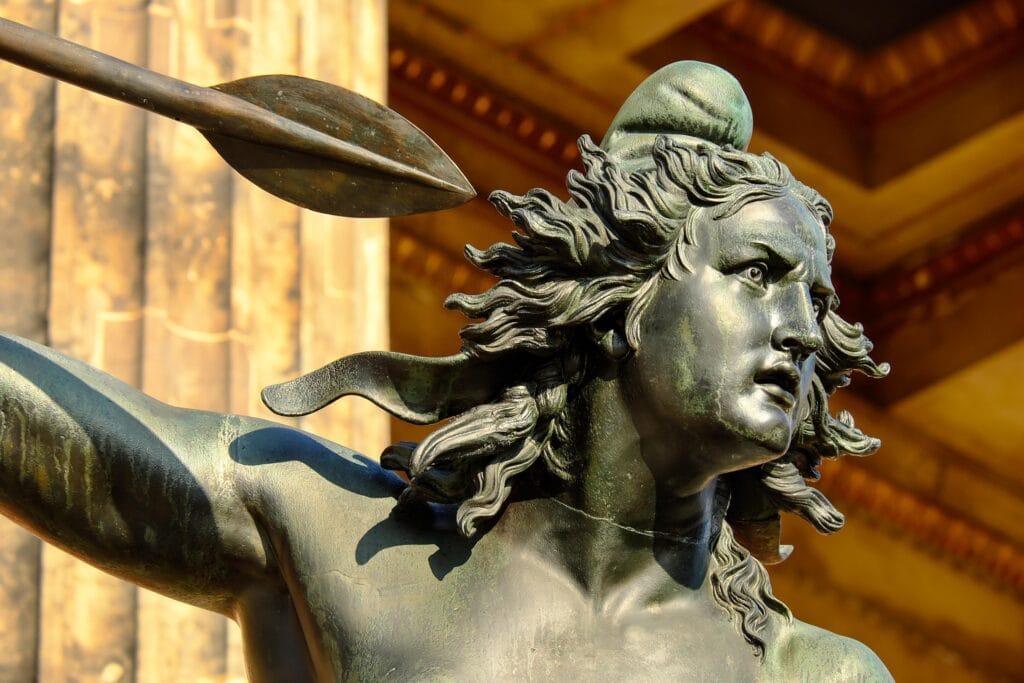
Ways of Moving
Museums are complex environments. They contain thousands of objects arranged within architectural systems that shape perception and pacing.
How you move through them determines what you see, how long you see it, and how you remember it.
Understanding your goal provides direction. Choosing your style provides structure.
When intention and movement align, the experience becomes deliberate rather than accidental.
For a broader framework that brings together goals, styles, planning strategies, and practical execution, see our comprehensive pillar: Visiting Museums: A Comprehensive Guide for 2026.
A museum visit does not require completion. It requires clarity.