
Table of Contents
The Illusion
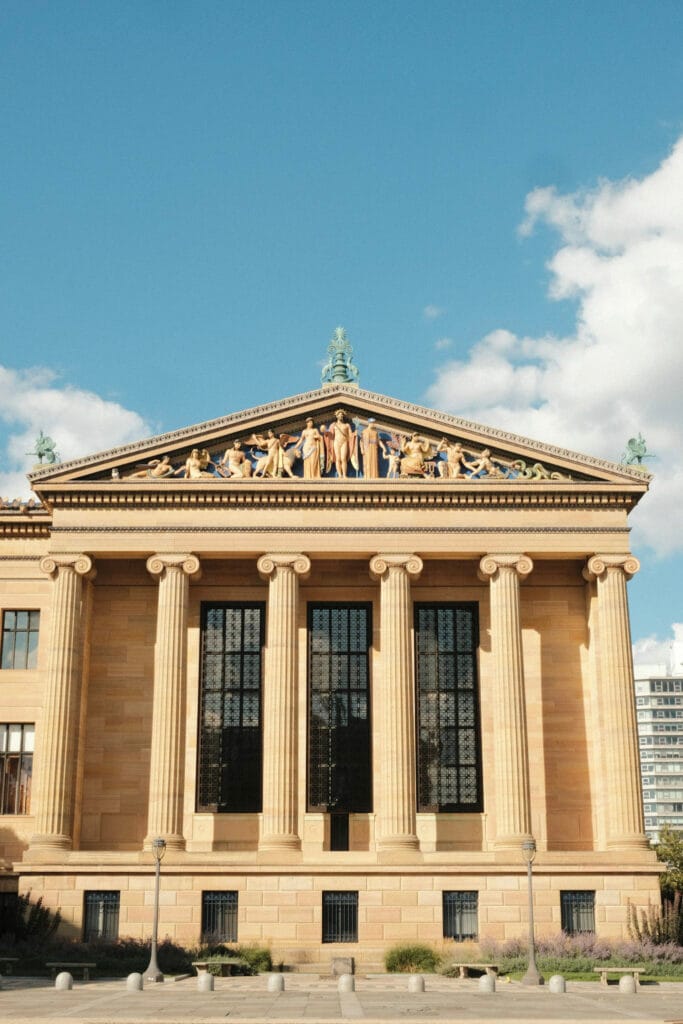
Museums feel permanent.
Stone halls. Quiet galleries. Paintings that have already survived centuries. Stability seems built into the walls themselves.
Yet permanence is maintained day by day. Behind every calm exhibition space exists an institution solving practical problems that visitors rarely notice.
A museum is not only a place to see art.
It is an organisation that must continue operating tomorrow morning.
And continuity requires revenue.
The Cost
Preservation succeeds when nothing appears to happen.
Climate systems regulate temperature without interruption. Conservators examine surfaces at the microscopic scale. Security teams protect objects that cannot be replaced. Research departments document collections that may never be fully displayed.
Storage alone often exceeds gallery space. Insurance, transportation, scholarships, and educational programs extend far beyond what a visitor encounters during a visit.
Visitors experience beauty.
Museums manage decay.
The longer an institution exists, the greater the responsibility becomes, and a difficult question emerges.
How do you finance permanence?
Value Without Cash
Museums hold immense theoretical wealth.
Collections valued in the billions rest behind glass, yet that value cannot pay salaries or electricity bills. Artworks are assets without liquidity. Their worth exists culturally and historically, not as usable capital.
Institutions, therefore, live inside a paradox.
They appear rich while operating within tight financial limits.
A museum may hold masterpieces beyond price, yet still depend on daily income to function. The treasure exists, but it cannot circulate.
Which means survival depends not on ownership, but on support.
Public Support
Governments fund museums because preservation serves public memory rather than private profit.
National museums receive operational subsidies that help maintain buildings, staffing, conservation work, and educational programmes. Municipal institutions often rely on regional funding tied to tourism and cultural policy.
Public support provides stability across generations but rarely covers total expenses. Economic downturns and shifting political priorities can quickly reshape budgets.
Museums build layered financial systems around this foundation.
Which leads to a simple truth.
Museums do not survive because they own valuable art. They survive because they continuously convert public interest into sustainable support.
Income Sources
Museum revenue comes from accumulation rather than scale. No single stream dominates. Stability emerges through balance.
Tickets
Admissions remain essential, particularly in cities shaped by cultural tourism. Timed entry systems manage both visitor flow and predictable income.
Donations and Patronage
Private collectors, foundations, and long-term benefactors fund acquisitions, restoration campaigns, and research initiatives. Many major projects exist because individuals choose to participate in preservation.
Public Funding and Grants
Government subsidies sustain education departments, conservation laboratories, accessibility programmes, and long-term staffing. These funds protect continuity rather than expansion.
Shops and Publishing
Museum shops, catalogues, and scholarly publications extend the institution beyond the gallery. Retail revenue often supports everyday operational needs.
Licensing and Image Rights
Reproductions used in books, documentaries, and media allow collections to generate income without the physical movement of artworks.
Exhibitions
Temporary exhibitions renew public interest. They attract returning visitors, media coverage, and sponsorship opportunities while reshaping how collections are understood.
Loans Between Museums
Institutions lend works internationally, sharing costs and strengthening partnerships. Loans support research collaboration and allow exhibitions to exist that no single museum could create alone.
Can Museums Sell Art?
Rarely. Collections are held in public trust. Legal agreements, donor conditions, and professional ethics restrict sales. Artworks cannot function as financial reserves, forcing museums to sustain operations through ongoing activity rather than liquidation.
If collections cannot be spent, another mechanism must sustain relevance.
Institutional Marketing
Museums cannot sell what they are built to protect.
Traditional marketing exists to move products toward purchase, but museums operate in reverse.
Their most valuable works must remain unsold.
Instead of transactions, institutions sustain themselves by cultivating lasting public interest around what never leaves.
Museums rarely promote themselves like commercial brands. There are no seasonal sales cycles or campaigns designed to move inventory. Instead, institutions maintain visibility through continuity, scholarship, and carefully guided public focus.
Communication becomes structural rather than promotional.
Publishing and Scholarship
Research extends the life of a collection beyond its walls.
Catalogues, conservation studies, curator essays, and academic collaborations keep museums present within cultural discourse. Publications from institutions such as the British Museum, the Metropolitan Museum of Art, and the Louvre circulate globally, shaping how artworks are interpreted long after a visit ends.
Knowledge functions as outreach, quietly sustaining institutional authority.
Highlights and Collection Narratives
Large collections require orientation.
Museums, therefore, establish highlighted works and guided viewing paths that help visitors navigate complexity. These choices shape expectations and give coherence to thousands of objects displayed across multiple departments.
The Prado centres around Las Meninas.
The Rijksmuseum structures its galleries around The Night Watch.
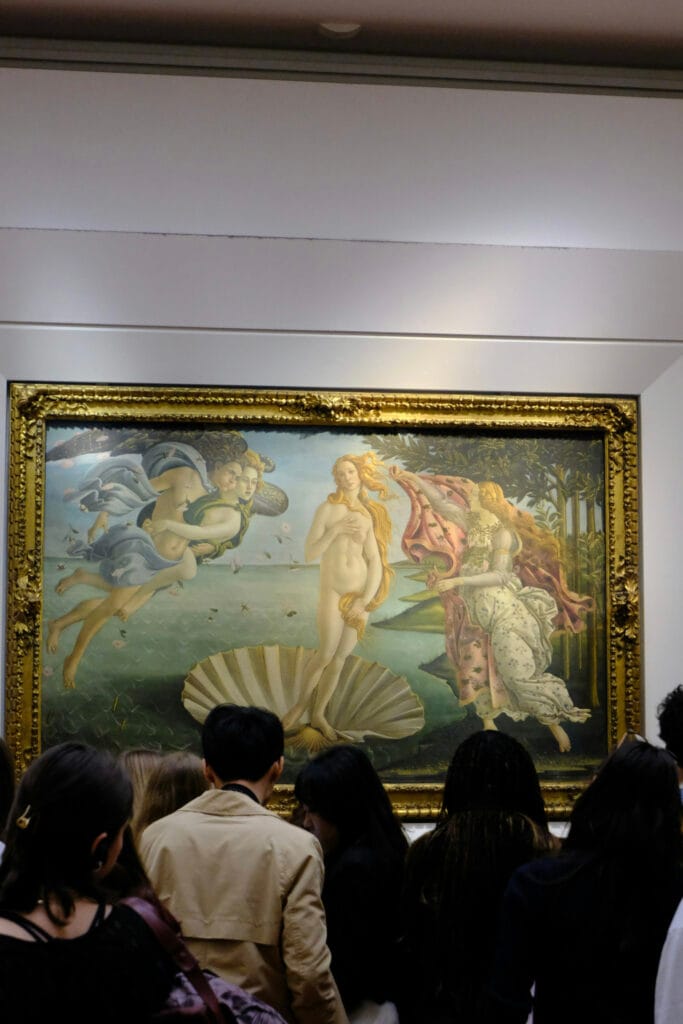
The Uffizi builds narrative momentum through Botticelli.
Emphasis provides clarity, allowing visitors to enter vast collections without becoming lost inside them.
Exhibitions as Renewal
Temporary exhibitions refresh institutional momentum.
They introduce new research, reposition familiar works, and invite audiences to return. Exhibitions generate partnerships, media coverage, and sponsorship while keeping collections intellectually active rather than static.
An exhibition is not separate from the permanent collection.
It reactivates it.
Anchor Artworks
Every major museum relies on a small group of paintings or sculptures that stabilise long-term public interest.
The Mona Lisa at the Louvre, The Night Watch in Amsterdam, Las Meninas in Madrid, and the Birth of Venus in Florence function as cultural anchors. Visitors often travel specifically to encounter one of them, yet their presence sustains far more than a single gallery.
Visitor flow, institutional prestige, sponsorship interest, and global visibility concentrate around these focal points. The wider collection benefits from the attention they generate.
The broader economic implications of this dynamic become especially clear in the case of the Mona Lisa, examined in detail in our analysis of its institutional value and valuation paradox.
Runner-Ups and Rediscoveries
Beyond the anchors lies a second layer that keeps institutions evolving.
Restorations, new attributions, and focused displays periodically bring lesser-known works forward. Museums rotate emphasis, allowing overlooked artists or departments to re-enter public conversation without abandoning established focal points.
The Rijksmuseum regularly expands attention beyond Rembrandt.
The Louvre shifts focus through departmental highlights.
Smaller museums often elevate a newly restored work to reshape visitor curiosity.
Stability comes from continuity.
Renewal comes from rediscovery.
Together, they form a marketing model built not on selling objects, but on sustaining cultural relevance over time.

Museum Finance
Museums endure through a balance between cultural mission and financial reality.
Revenue streams, public funding, institutional credibility, and carefully sustained visibility all serve one purpose: allowing fragile works to outlast the generations responsible for protecting them.
Art alone does not sustain museums. A system built around trust, interest, and continued public engagement does. And when that system holds, culture remains visible far into the future.