
Table of Contents
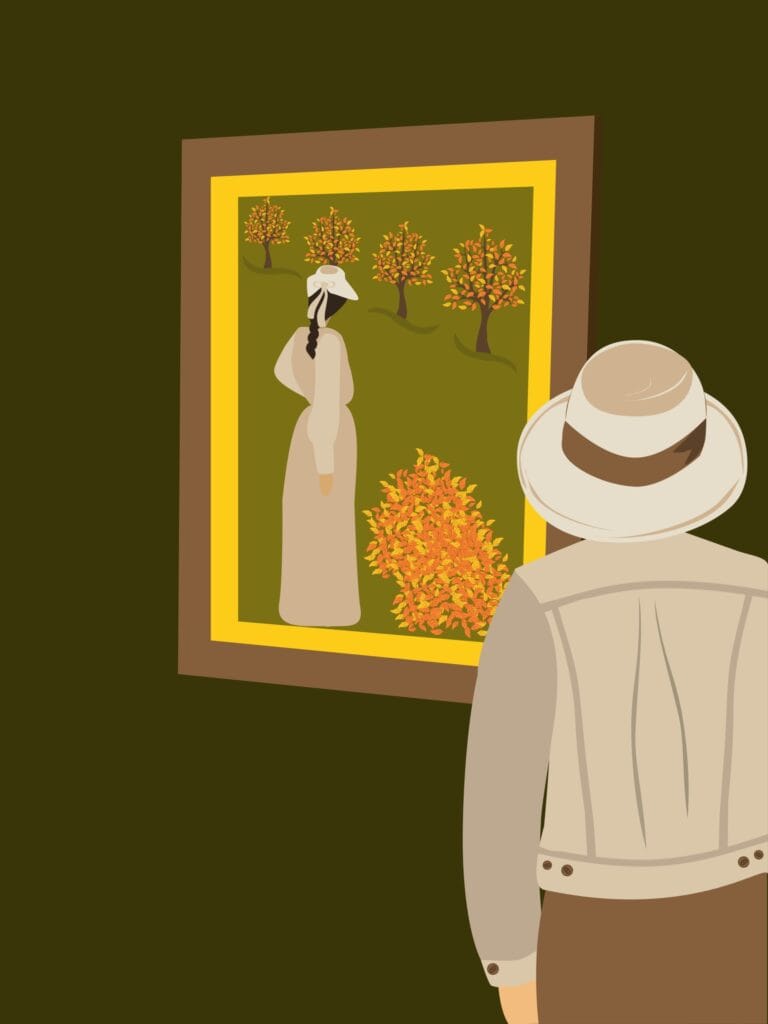
It is one of the quiet ironies of modern travel. We enter museums hoping to feel inspired, yet many visitors leave with heavy legs and an overloaded mind. What begins as curiosity slowly turns into fatigue. Too many rooms, too many choices, too little energy.
A museum is not difficult because of the art. It becomes difficult because of scale. Without direction, even a beautiful visit can feel scattered and exhausting.
A small amount of preparation changes this. A plan does not remove spontaneity. It protects it. Instead of wandering until exhaustion, you move with intention and leave with clarity.
Here are ten practical reasons why preparation improves the museum experience.
1. Managing Limited Time
Reality: Most visitors have only two or three hours. Without priorities, time disappears quickly, often just before reaching the galleries that matter most.
Benefit: Starting with essential works ensures the visit feels complete, even if time runs short.
2. Navigating Vast Spaces
Reality
Large museums function like small cities. Multiple floors and long corridors easily create confusion. The Louvre in Paris spans more than 60,000 square metres of exhibition space, while the Metropolitan Museum of Art in New York stretches across nearly two million square feet. Even the Vatican Museums extend for roughly seven kilometres of gallery corridors. In environments of this scale, disorientation is common.
Benefit
A simple route provides orientation, allowing energy to stay focused on the art rather than navigation.
3. Reducing Decision Fatigue
Reality: Every doorway requires a choice. These constant small decisions quietly drain attention.
Benefit: Planning removes unnecessary decisions, preserving mental energy for observation and reflection.
4. Actually Finding the Famous Works
Reality: Even iconic masterpieces can be missed. Important rooms are often hidden deep within the building.
Benefit: Checking locations beforehand guarantees key encounters and prevents accidental omissions.
5. Respecting Your Investment
Reality: Museum visits require time, travel, and expense. An unfocused visit can feel disappointing.
Benefit: Clear goals give structure, making the effort feel worthwhile and intentional.
6. Removing the Fear of Missing Out
Reality: Many visitors feel pressure to see everything, which prevents deep engagement with any single work.
Benefit: Defined priorities create reassurance, allowing slower and more meaningful looking.
7. Conserving Physical Energy
Reality: Slow walking on hard floors is physically tiring. Wandering without direction often doubles the distance walked.
Benefit: An efficient route reduces unnecessary movement and preserves stamina.
8. Understanding the Museum’s Story
Reality: Galleries are arranged to show historical or artistic development. Jumping between eras breaks that narrative.
Benefit: Following a sequence reveals continuity, turning the visit into a readable story.
9. Personalizing the Experience
Reality: No visitor connects with every style or period.
Benefit: Planning allows quiet selection, focusing attention on genuine interests rather than obligation.
10. Planning Moments of Rest
Reality: Visitors often pause only after exhaustion arrives.
Benefit: Scheduling a break maintains energy and extends curiosity throughout the visit.
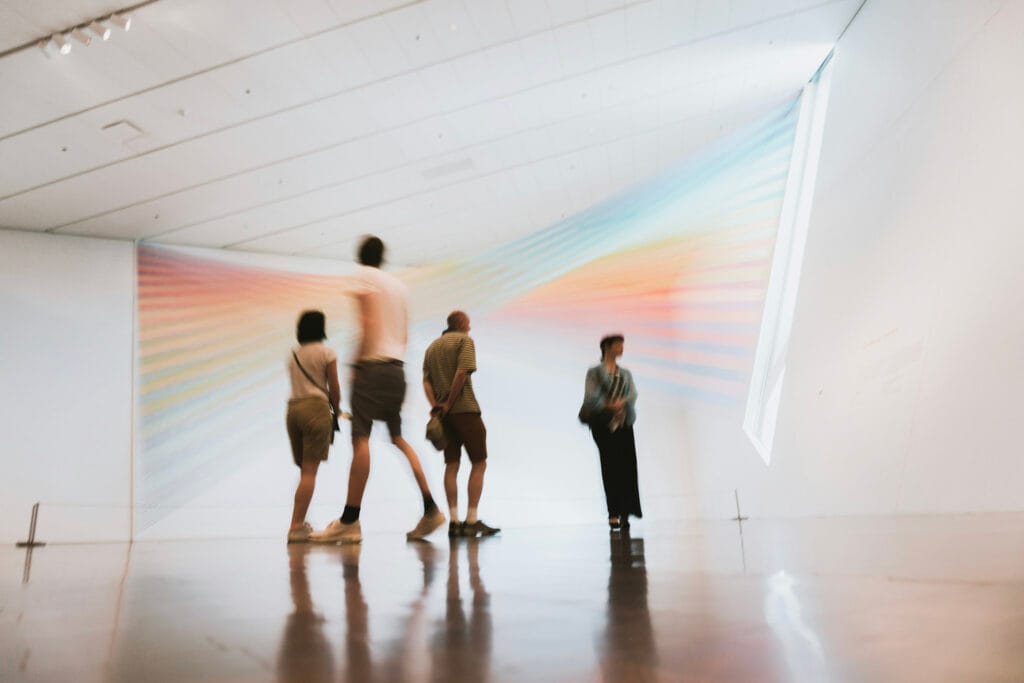
Visit with Intention
A museum should never feel like a task to complete. It is a place for attention, not endurance.
Ten minutes of preparation before arrival changes the rhythm of the visit. You walk less, see more, and remember clearly what you experienced.
Preparation does not remove discovery. It creates the conditions for it.
You enter not as a hurried tourist, but as a calm observer moving through culture at your own pace.
A Different Way to Enjoy
Planning creates clarity. It protects time, energy, and attention.
Yet structure is not the only valid approach.
Some visitors prefer to arrive without a list. They do not search for highlights. They allow corridors, light, and instinct to guide them. For these personalities, the absence of a plan is not negligence. It is an intention.
If that rhythm feels familiar, you may want to read our piece on visiting a museum without a fixed plan, where we examine how a slower, intuitive walk can shape the experience differently.
The real preparation is not choosing the correct method. It is choosing the one that protects your curiosity. A museum should expand you, not exhaust you.
Visiting Styles Overview
This article focuses on structured preparation. For a broader look at the different ways people move through museums, from planners to free wanderers, see: Visiting Museums: A Comprehensive Guide for 2026.