
Table of Contents
Quick Read: Buyer’s Guide: Spot the Difference Books in 2026
Spot the Difference books now come in many forms. Print, digital books, apps, and more. Each serves a different kind of puzzler. Print editions remain the most giftable, with a comforting, screen-free feel and tactile joy. Digital flipbooks offer instant access, zoom tools, and lifetime ownership, making them ideal for adults, travelers, and art lovers who value clarity and portability. Printable versions, meanwhile, suit teachers and families who want flexible, low-cost puzzles they can reuse.
Before buying, preview pages whenever possible and check for clear differences, matte paper, and complete solutions. Look for editions that match the user’s eyesight, patience, and style—three to six changes for children, up to a dozen for adults. Avoid glossy pages, vague listings, or low-resolution images.
In 2026, value lies not in the cheapest option but in usability, visibility, and comfort. Whether printed or digital, a good Spot the Difference book rewards observation, sharpens focus, and brings calm satisfaction to anyone who loves seeing the world more closely.
Buy Smart, Not Twice
Spot the Difference books, once seen as simple pastimes, have evolved into beautifully designed puzzle experiences for every age. Children, families, seniors, and art lovers alike. Behind that charm lies a surprising truth: not all Spot the Difference books are created equal.
Some editions shine with crisp printing, balanced layouts, and satisfying puzzles. Others suffer from low-contrast images, awkward paper, or confusing differences. These kinds of spot the difference books are published by creators seeking commercial quick profit, that make the value and experience nearly zero. This guide helps you buy with confidence—whether you’re choosing your first puzzle book or expanding a growing collection. It’s not about trends or marketing claims. It’s about what actually matters when you open the first page.
What Makes a Good Spot the Difference Book
A quality Spot the Difference book doesn’t try to trick you—it invites you to observe. The best editions share a few simple but essential qualities.
Clarity and Image Quality
High-resolution images make the experience enjoyable, not exhausting. Crisp edges, balanced contrast, and accurate color reproduction ensure differences are visible under normal lighting. Avoid over-filtered or grainy artwork; these often indicate cheap digital scaling or recycled images.
Number and Type of Differences
Each puzzle should clearly state how many differences to find. Consistency matters: ten differences mean ten, not nine or twelve. Fair puzzles rely on meaningful visual changes—an added petal, a missing object—not arbitrary pixel shifts.
Level of Challenge and Accessibility
Good design means you can see the differences if you look closely. Overly subtle color tweaks feel unfair, while overly obvious ones get dull fast. The right level of challenge leaves you satisfied, not strained.
Printing and Paper Quality
For print books, paper finish changes everything. Matte or silky-matte paper reduces glare under lamps. Glossy pages look pretty but reflect light, making differences harder to spot. Spiral or lay-flat binding helps pages stay open during long sessions.
Digital Experience and Interactivity
If you prefer digital, features define value. Look for zooming, hint toggles, solution overlays, and easy navigation. These small tools can make a digital edition far more rewarding than static images.
Print vs Digital vs Printables: What You’re Really Paying For
Before buying, understand what each format offers—and what you’re truly paying for. Every option serves a slightly different kind of puzzler.
| Format | Best For | Pros | Cons | Price Range (USD) |
|---|---|---|---|---|
| Print Books | Families, seniors, gift buyers | Tangible feel, no screens, easy to share, perfect for gifts | Needs good lighting, no instant access, can wear over time | $8 – $20 |
| Digital Flipbooks | Adults, travelers, art lovers | Instant access, zoom features, hints/solutions, durable, no shipping | Requires a device and the internet, less tactile | $5 – $15 (one-time access) |
| Printable PDFs | Print quality varies by printer, using paper/ink | Low cost per page, can print repeatedly, and flexible use | Print quality varies by printer, uses paper/ink | $5 – $15 per pack |
Buying Tip
- Choose print for that classic, page-turning comfort—especially when gifting.
- Choose digital flipbooks for portability, clarity, and fine-art detail.
- Choose printables for flexible use in classrooms, therapy sessions, or group settings.
Each format is valid. The right choice depends on how and where you love to solve.
Match the Book to the Solver
A buyer’s best mistake is assuming every Spot the Difference book fits every reader. Matching the difficulty and presentation to the solver’s needs ensures enjoyment—not frustration.
For Children
Ages 3–7 benefit from bright colors, large shapes, and limited details—usually three to five clear differences per page. Avoid editions with small fonts or complex shadows. Look for sturdy bindings and wipe-clean surfaces.
For Teens
Teens enjoy themed books—travel, animals, or pop-culture scenes—with six to eight differences and varied difficulty. They appreciate variety and color vibrancy more than sheer challenge.
For Adults
Adults tend to enjoy balance. Eight to twelve differences per spread, realistic imagery, and clever compositions make the experience mindful yet rewarding. Paper quality and visual design matter most here.
For Seniors
Large-print editions with generous margins and bold contrast make puzzles accessible without eye strain. Books designed for cognitive training or memory exercise are ideal for this group.
The Quality Checklist: Before You Buy
Use this checklist to assess any Spot the Difference title—online or in store:
- Image clarity: sharp edges, clean colors, no blurring.
- Contrast: visible under ordinary room light.
- Fairness: visible, logical differences—not pixel tricks.
- Solutions: clear, accurate, easy to match with puzzles.
- Paper: matte finish; lay-flat binding preferred.
- Previews: at least three full interior pages visible before buying.
- Digital features: zoom, hints, navigation, instant access.
If a book hides its interior pages, skip it. A good publisher wants you to see the quality.
Red Flags to Avoid
Bad puzzle books share predictable warning signs:
- Glossy glare that reflects every light source.
- Low-resolution or stretched images.
- Inconsistent answers—some pages unsolved, others mislabeled.
- Over-crowded puzzles that force too many changes into small corners.
- Tiny sample previews or none at all.
A fair book respects your time. If it feels rushed in the preview, it likely is.
Choosing the Right Difficulty Level
Difficulty isn’t about ego; it’s about mood. Here’s how to read product listings and match expectations.
- Beginner: 3–6 differences, large subjects, bright contrast. Great for kids or first-time solvers.
- Intermediate: 6–10 differences, varied themes, moderate detail. Most adults prefer this balance.
- Expert: 10–15 subtle changes, texture or lighting shifts, fine details. Best for those who enjoy extended focus.
A reliable listing will state both the number of differences and the total puzzles. That clarity saves disappointment later.
Popular Themes Worth Exploring
In 2026, Spot the Difference publishers have broadened their range well beyond cartoons and nature scenes. The most lasting themes share one trait: timeless imagery.
Classic Art and Museum Scenes
Reproductions of paintings and sculptures elevate the experience—each puzzle doubles as an art lesson. These editions reward patient observation and appreciation of form and color.
Nature and Landscapes
Mountains, gardens, and wildlife scenes never age. They provide soothing visuals ideal for mindful breaks.
Everyday Life and Vintage Scenes
Street markets, kitchens, or travel snapshots evoke nostalgia and warmth. They’re easy to relate to and spark conversation.
Illustrated or Fantasy Editions
For younger audiences and creative adults, illustrated puzzles add personality and humor. Just ensure the art remains clear and readable.
Who Buys What: Matching Format to Lifestyle
Different solvers enjoy puzzles in different ways.
| Solver Type | Recommended Format | Why It Works |
|---|---|---|
| Families & Children | Print Books | Shared activity, screen-free time |
| Seniors & Gift Buyers | Print Books | Larger format, simple use |
| Travelers | Digital Flipbooks | Portable, quick access |
| Teachers & Therapists | Printables | Reusable, easy to distribute |
| Art Lovers | Digital Flipbooks | High detail, zoom, archival quality |
Each buyer has unique goals—comfort, convenience, or cognitive training. Matching format to habit makes a bigger difference than any marketing promise.
How to Compare Listings on Amazon or Bookstore Sites
Before checkout, pause and inspect details:
- Preview pages: at least 3–5 full spreads, not thumbnails.
- Number of puzzles and differences per page.
- Binding type: spiral or lay-flat is ideal.
- Solution clarity: circled or numbered differences, not vague dots.
- For digital: check for zoom, hint, and thumbnail navigation.
- Access type: one-time purchase vs. ongoing membership.
Books with transparent previews and clear specifications usually come from publishers that respect their buyers.
Why Art-Based Spot the Difference Books Stand Out
Art-based puzzle books, like Classic Art Puzzles, sit in a category of their own. Classical paintings were designed with symmetry, lighting, and form—elements that naturally lend themselves to fair, satisfying puzzles. When the artwork is handled with care, every small change becomes a lesson in observation and appreciation.
Art also slows you down. You start by finding the missing ribbon or tilted vase, but end by noticing brushwork, texture, and tone. That calm, focused attention is what keeps solvers coming back—not only for the challenge, but for the quiet joy of seeing again.
Digital Flipbooks: What to Expect in 2026
If you’re leaning digital, modern flipbooks have matured far beyond static PDFs. Quality platforms now include:
- Zoom tools that preserve resolution without pixelation.
- Hint toggles reveal one clue at a time.
- Page thumbnails for quick navigation.
- Instant access—no apps, no downloads.
- Optional printing for offline play.
- Lifetime access instead of subscription models.
These features justify digital prices. They also make art-based puzzles shine, letting you explore detail without losing clarity.
Price Guide: Understanding Value in 2026
Spot the Difference books are affordable, but pricing varies by format and quality.
| Type | Price Range (USD) | Value Indicators |
|---|---|---|
| Budget Paperbacks | $6 – $10 | Simple line art, few puzzles, basic paper |
| Standard Print | $10 – $20 | Matte paper, 40–80 puzzles, lay-flat binding |
| Premium Art Editions | $20 – $35 | High-res prints, large format, collectible quality |
| Digital Flipbooks | $5 – $10 | Interactive features, lifetime access |
| Printable Packs | $5 – $15 | Flexible use, reprintable, instant delivery |
Don’t judge by price alone—judge by usability. A $12 book that opens flat and shows ten clean puzzles per hour is worth more than a $6 book you can’t comfortably see.
One-Page Buyer Checklist (Save or Print)
Before You Buy:
- Format chosen: Print / Digital / Printable
- Fits user: Kids / Adults / Seniors
- Clear image previews (3–5 pages minimum)
- Differences per page listed
- Matte or non-glare paper
- Spiral or lay-flat binding
- Accurate, full solutions included
- For digital: zoom, hints, navigation, instant access
- Price aligns with the total puzzles offered
If a listing checks all these boxes, it’s likely a safe and satisfying purchase.
Classic Art Puzzles: A Modern Example of Digital Quality
Classic Art Puzzles brings museum-grade artwork into a digital format designed for comfort and clarity. Each edition pairs high-resolution reproductions with interactive differences, hint toggles, and zoom functionality. Solvers can enjoy timeless masterpieces instantly—without shipping, damage, or waiting.
Our digital publications are made for relaxation, simple fun, and casual education. Suitable for families, seniors, and collectors alike. It’s a small shift from physical pages to screens, but it preserves everything people love about Spot the Difference—while adding precision, accessibility, and permanence.
Check our publication catalog for classic art interactive spot the difference puzzles, jigsaw puzzles, sliding puzzles, and art notes.

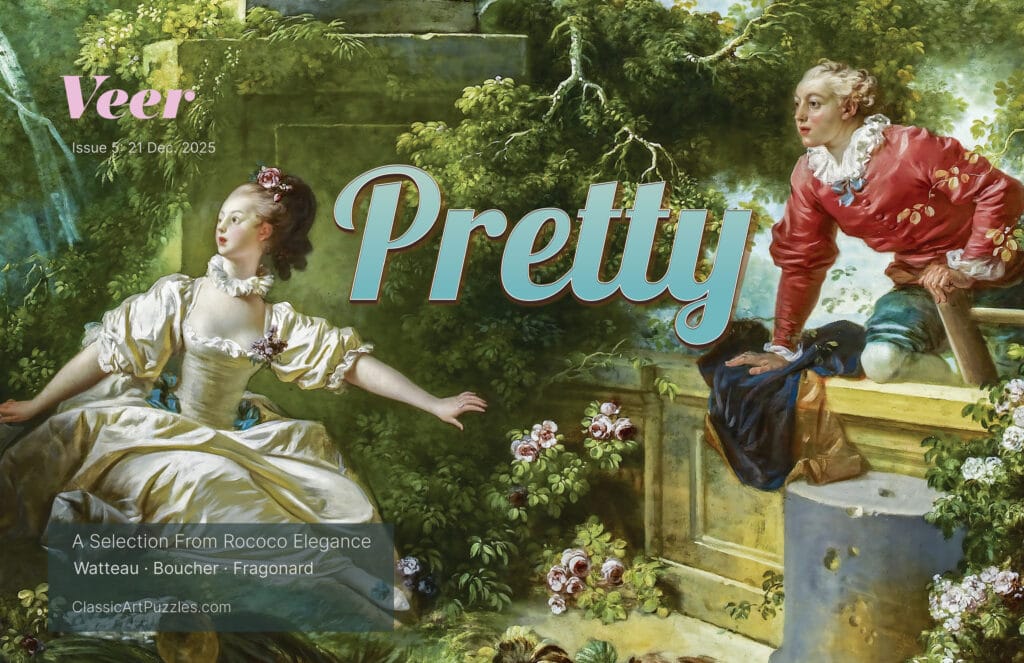
Final Words: Finding Joy in the Details
Buying a Spot the Difference book isn’t just about filling time—it’s about how you spend it. The best puzzles help you see more clearly, notice small things, and enjoy a calm moment of focus. Whether you’re gifting a grandparent, teaching a child, or indulging in quiet reflection, choose a book that feels comfortable and fair.
When you buy well, you’re not purchasing pages—you’re investing in observation, memory, and delight.
And that, more than any price tag or feature list, is what makes a Spot the Difference book worth owning.
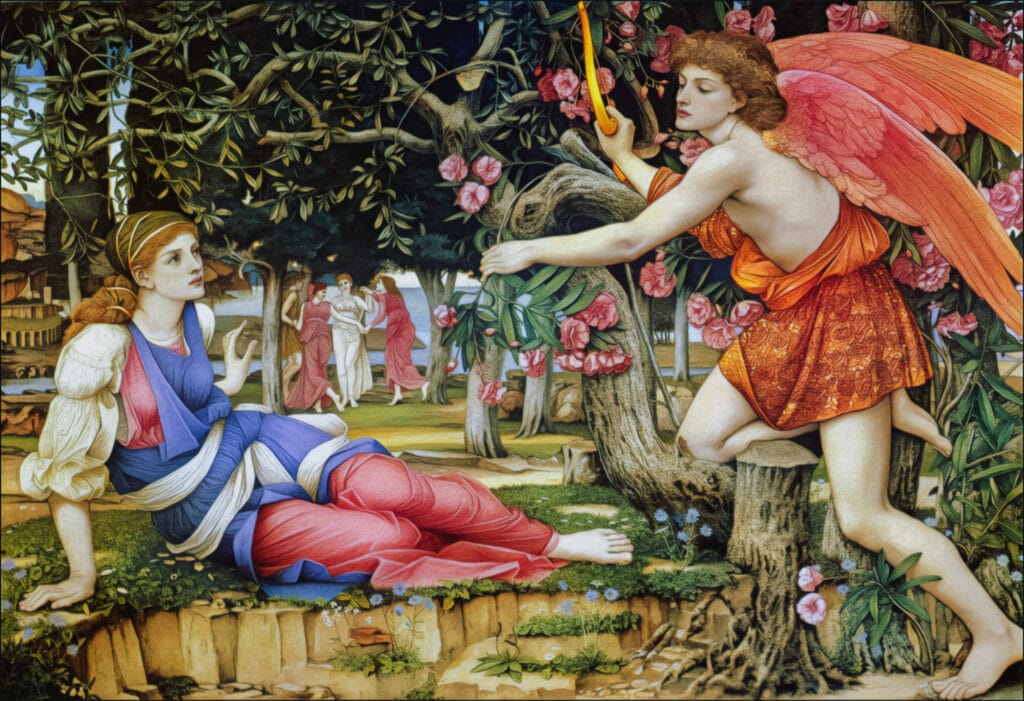
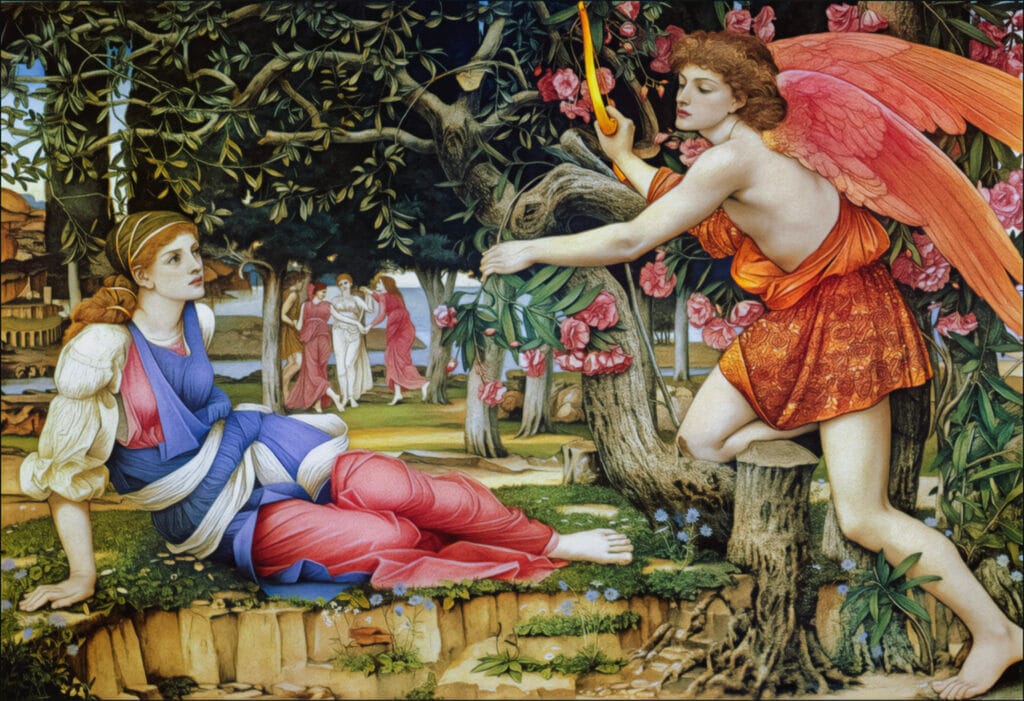
Play and Print a Classic Art Puzzle: Find 5 Differences in the Artwork Below
Love and the Maiden
John Roddam Spencer Stanhope, 1877