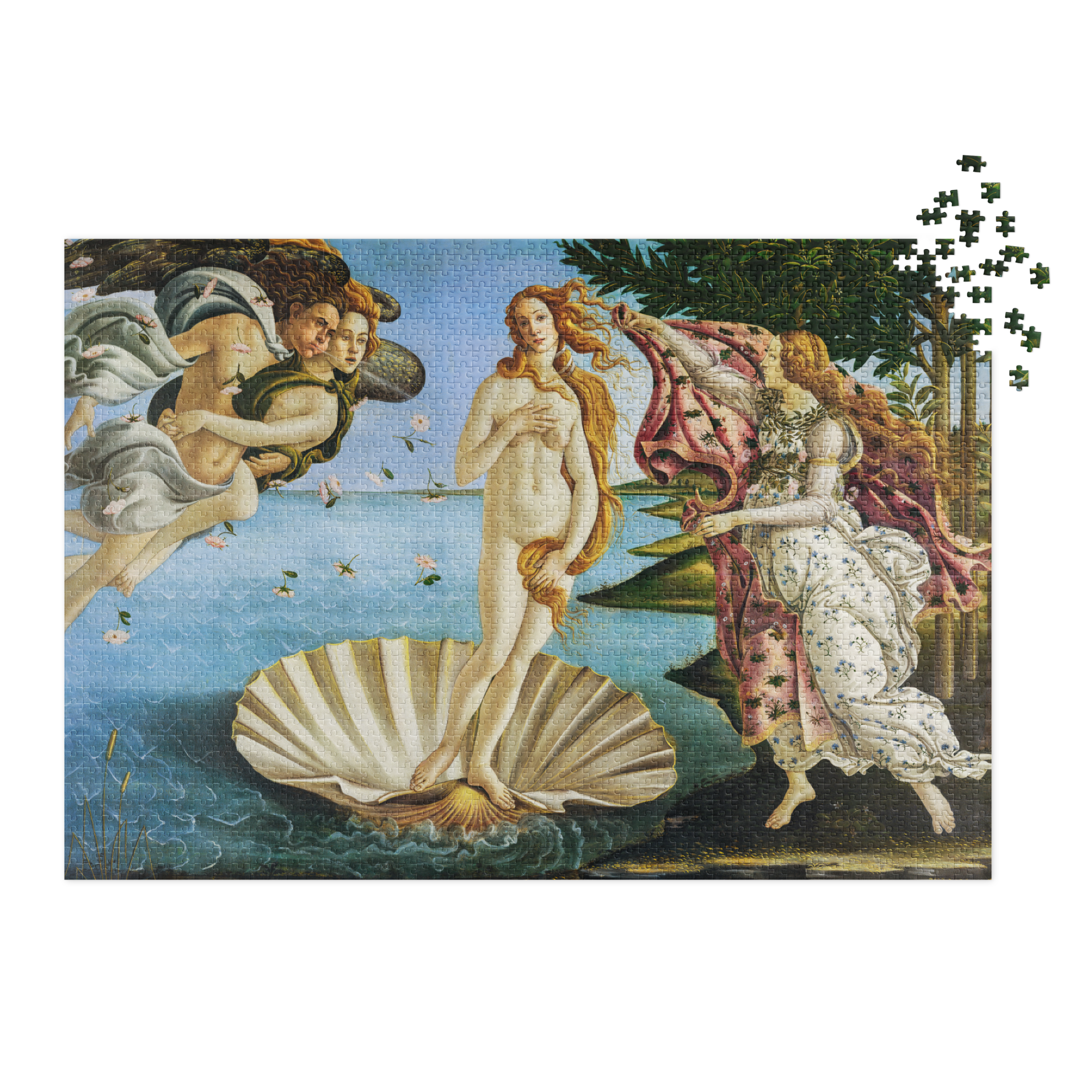
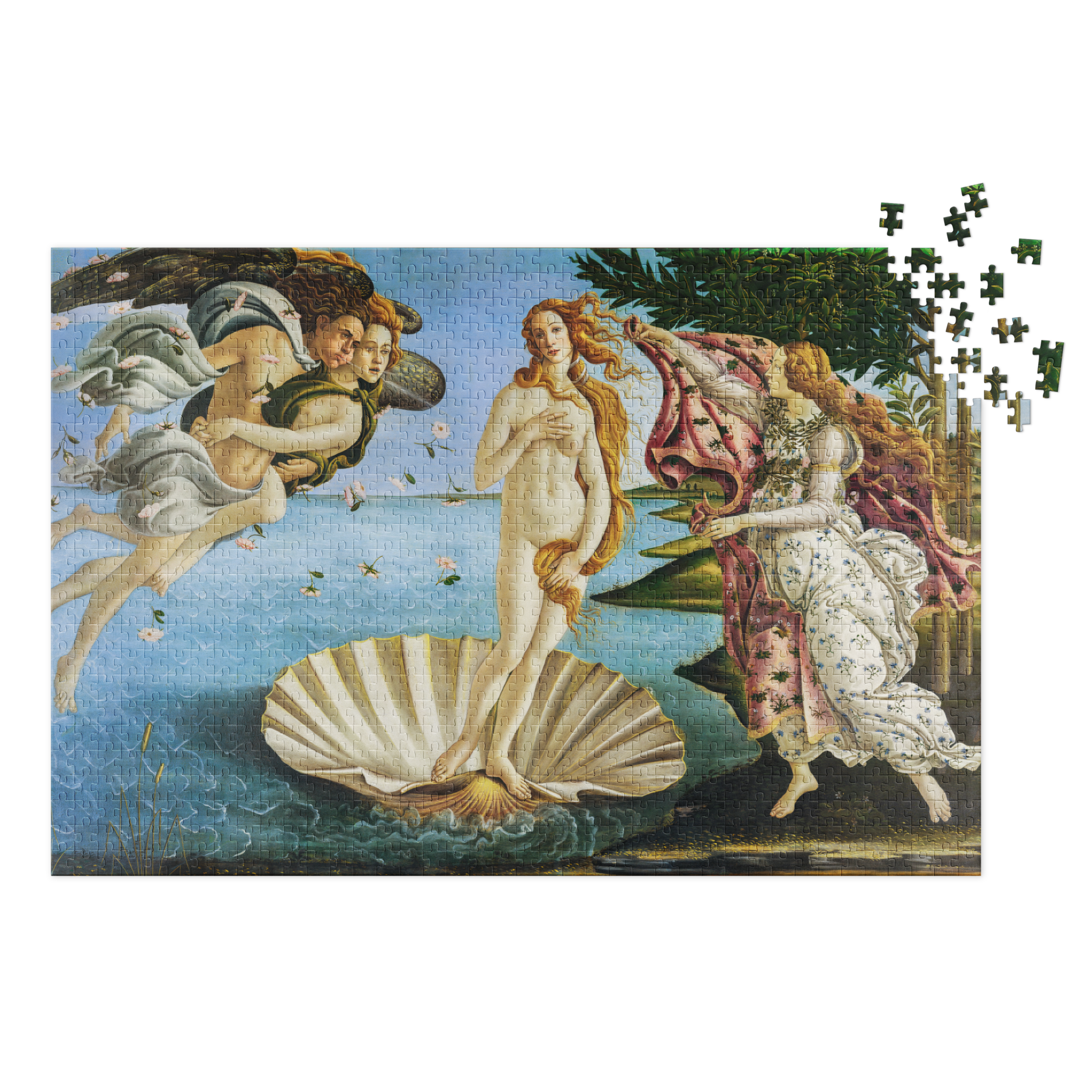
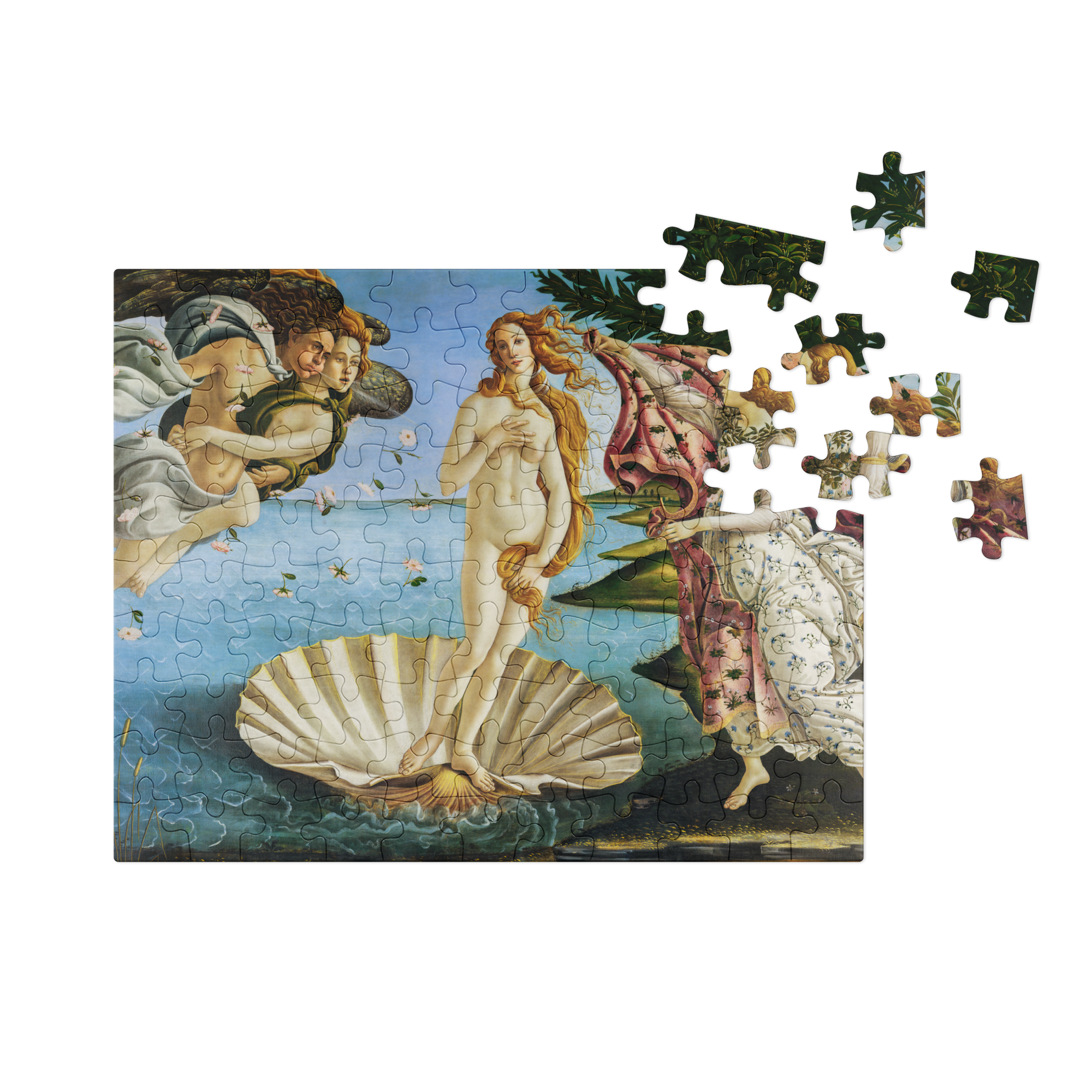
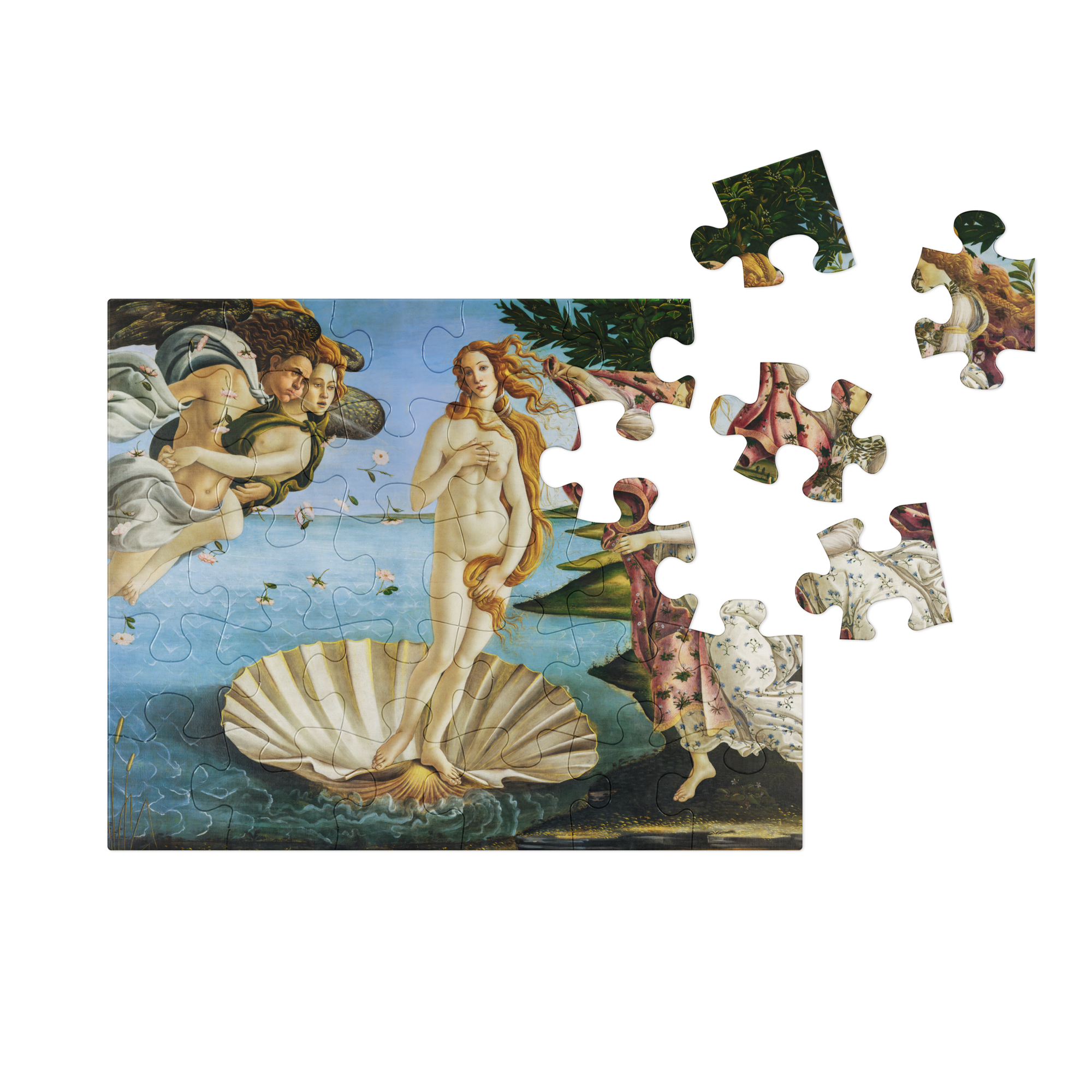
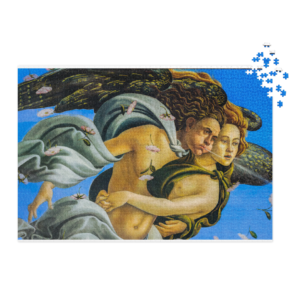
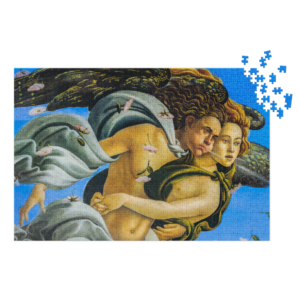
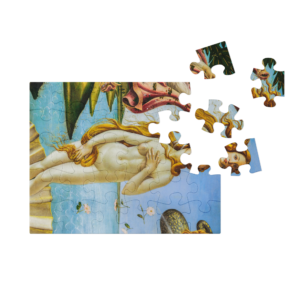
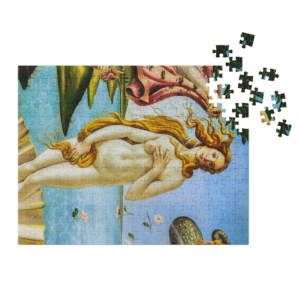
The Birth of Venus – Botticelli
The Birth of Venus is one of the most celebrated works of the Early Italian Renaissance. Painted by Sandro Botticelli in the mid-1480s, the scene depicts the mythological birth of Venus, emerging from the sea and arriving on shore. The painting reflects Renaissance humanist ideals, presenting beauty not as physical realism but as an ordered, symbolic ideal shaped by harmony, proportion, and line. The work is housed today in the Uffizi Gallery in Florence.
Rather than constructing depth through perspective, Botticelli emphasizes rhythm and outline. Figures are arranged across the surface with minimal spatial recession, their elongated forms defined by clear contours and controlled movement. Light functions descriptively rather than dramatically, reinforcing the painting’s decorative clarity and poetic restraint. The meaning of the work lies less in narrative action than in the embodiment of ideal beauty and renewal, drawn from classical mythology and Renaissance thought.
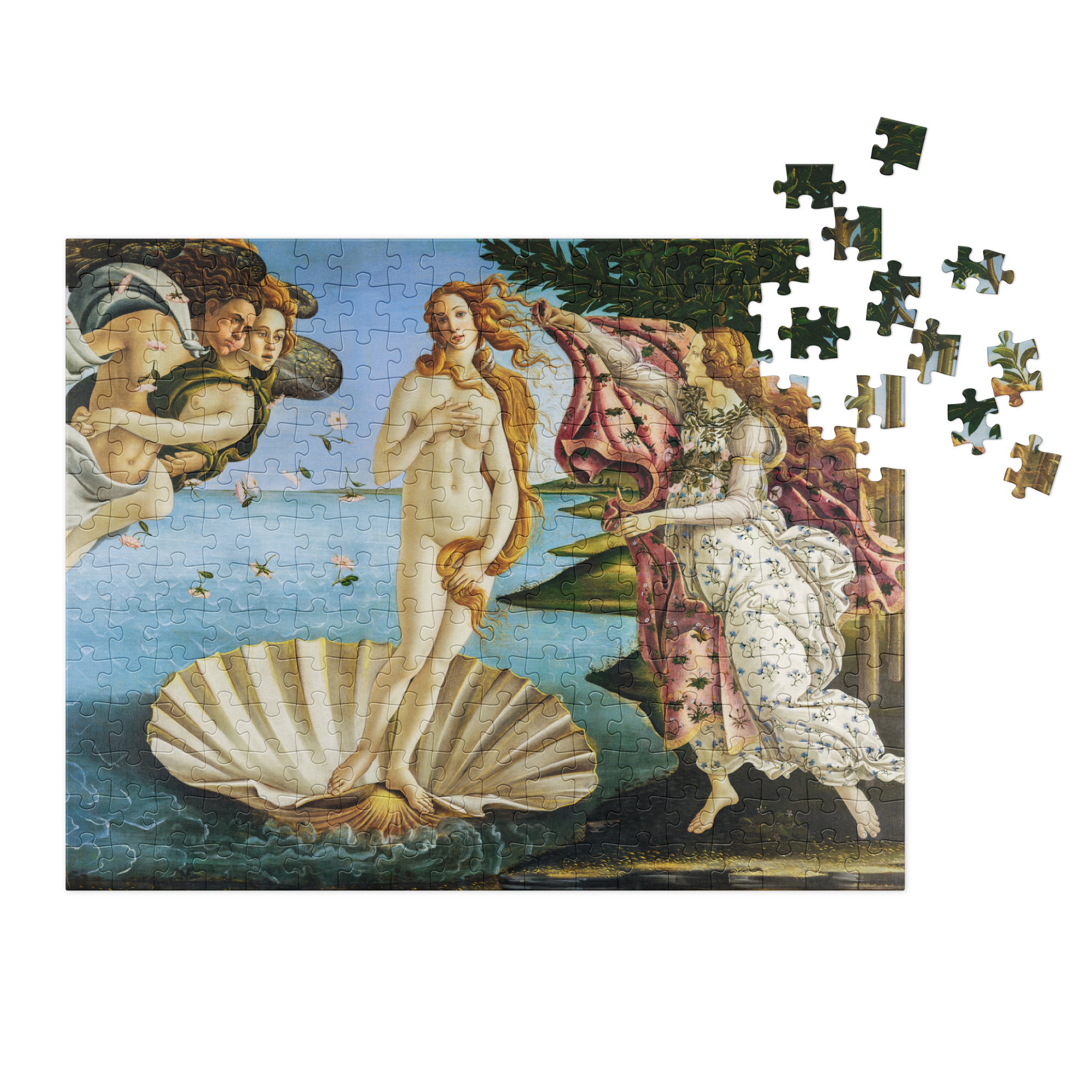
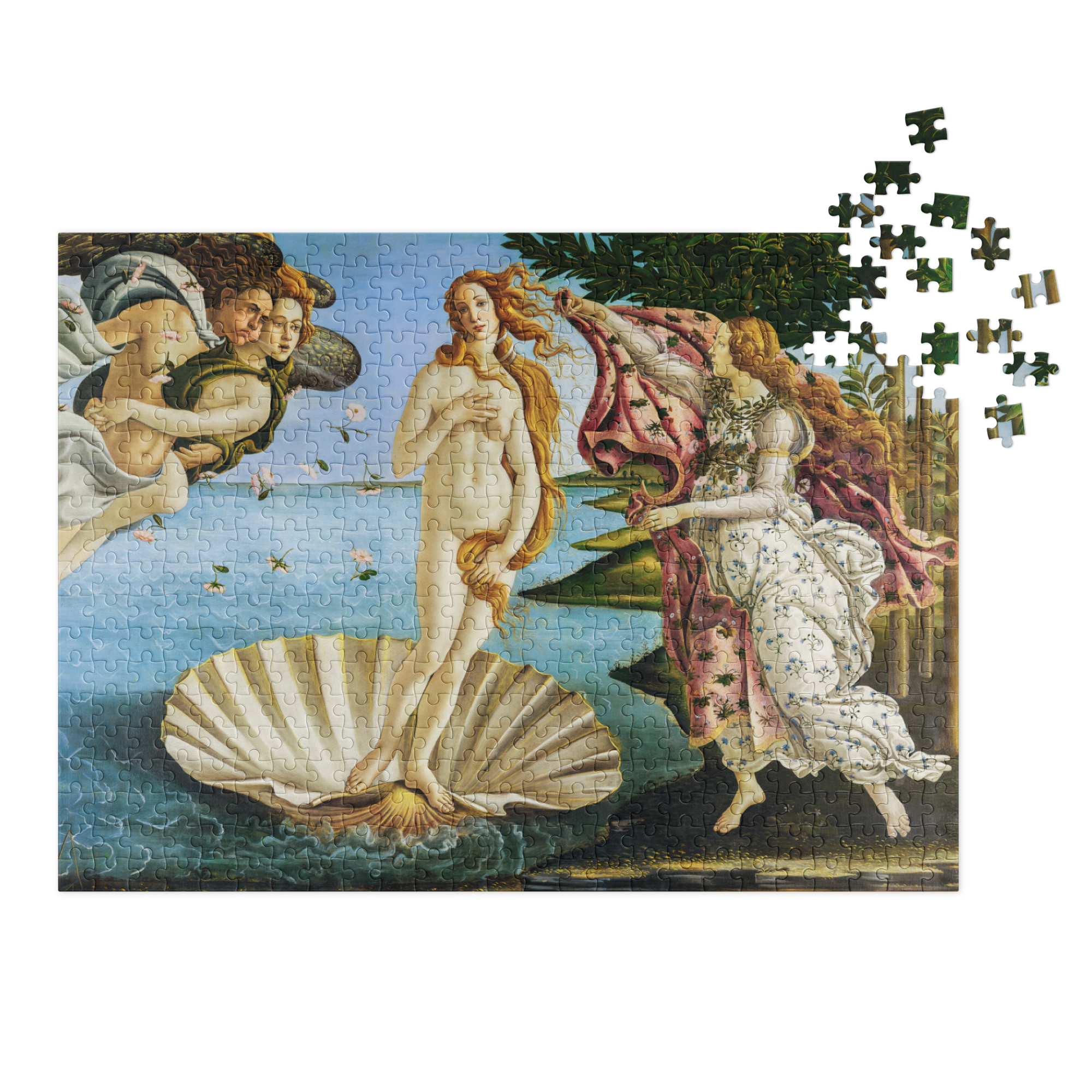
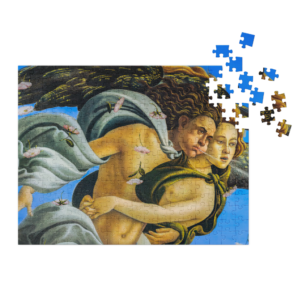
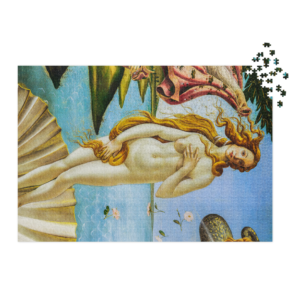
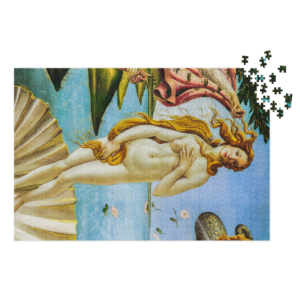
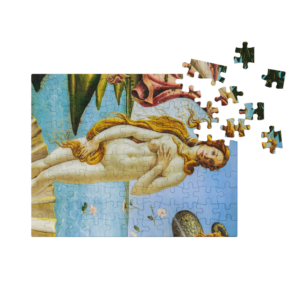
The puzzle is finished with a glossy surface and presented in a metal tin bearing the completed image, supporting both handling and storage without distracting from the artwork.
Optimization Disclosure
Material Aging and Condition
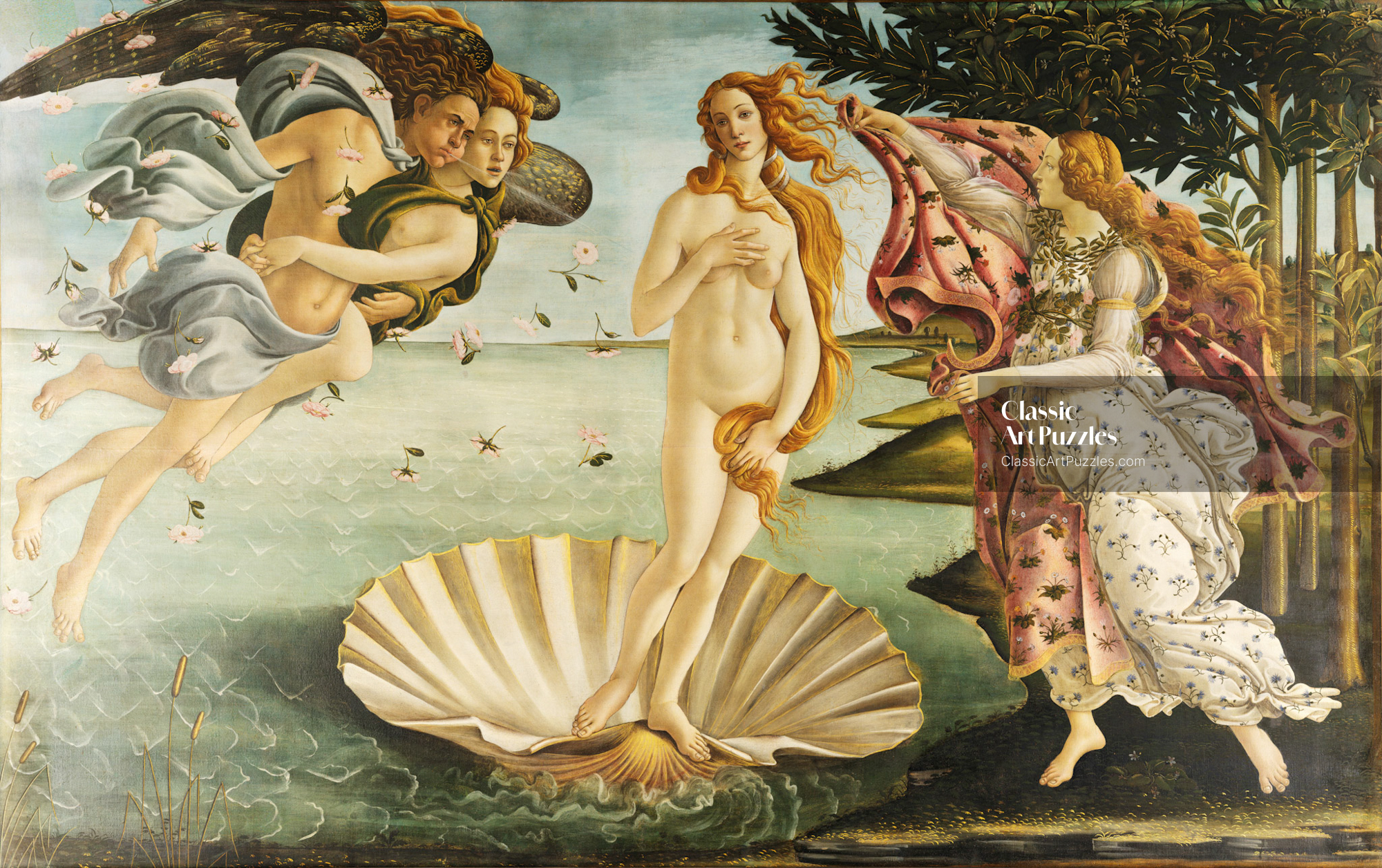
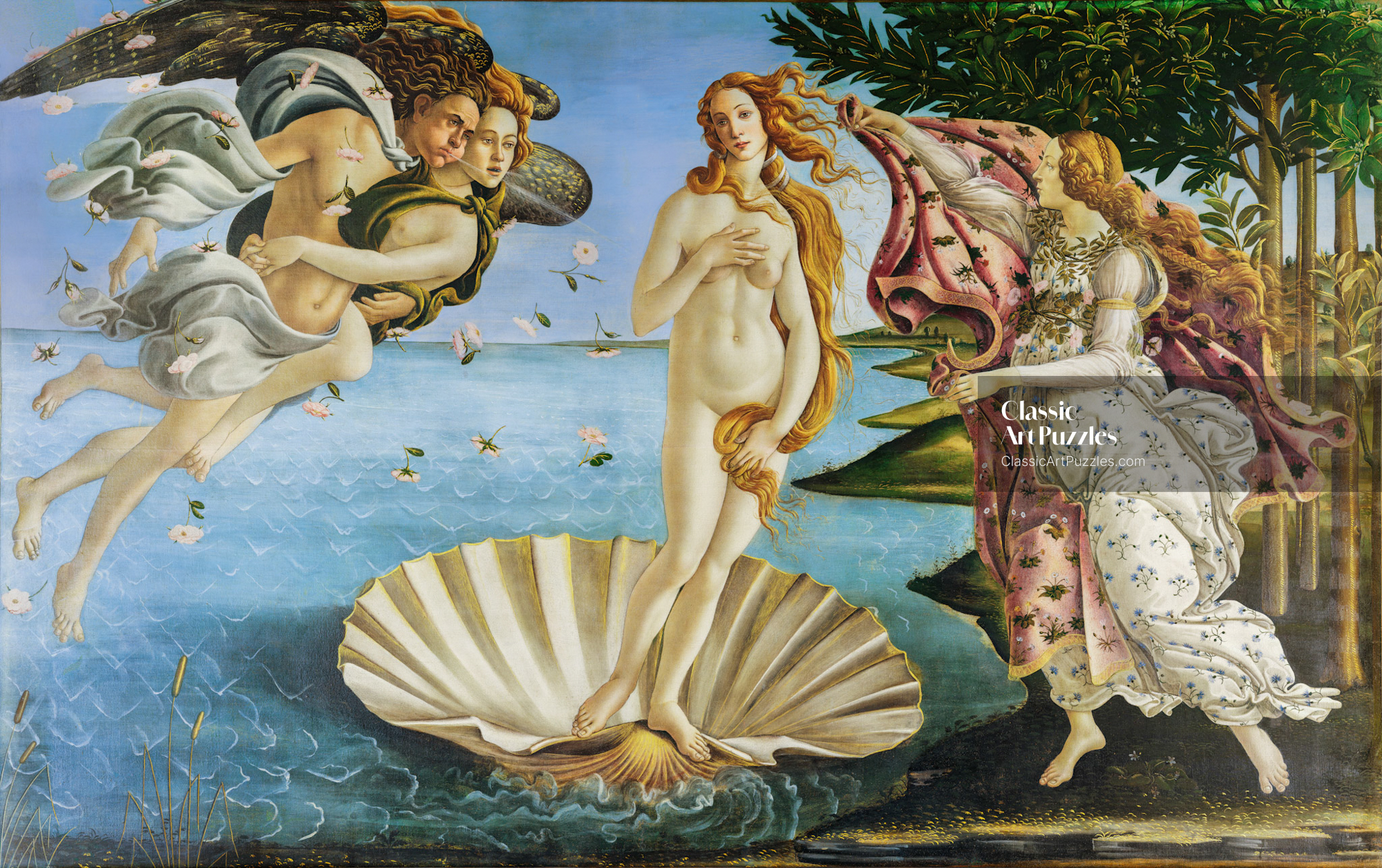
Painted on canvas rather than wood, The Birth of Venus shows signs of natural aging consistent with its materials and history. A horizontal seam is visible where two fabric panels were joined, and fine surface cracking appears across the paint layer. Some pigments have changed over time: greens have darkened toward brown, and parts of the blue sky have thinned and become more transparent. In areas of wear, the canvas weave is faintly visible.
Light and Visual Logic
The lighting in the scene does not follow a single natural source. Figures are illuminated from different directions, and Venus casts no shadow on the shell. This is a deliberate artistic choice, reinforcing the painting’s mythological setting rather than physical realism. Light functions symbolically, not descriptively.
Line, Flatness, and Space
Botticelli favors line and rhythm over depth. Figures are defined by clear outlines, with minimal shadow and limited spatial recession. The sea and landscape do not fade into the distance, keeping the scene visually flat and decorative. This approach emphasizes grace, movement, and ideal form rather than three-dimensional space.
Image Optimization Summary
Based on the painting’s condition and stylistic intent, the following adjustments were applied:
- Color correction in sky, water, and foliage
- Minor skin tone balancing
- Overall clarity improvement
What Was Not Applied
- Generative upscaling that would alter the structure
- Added shadow depth, inconsistent with Botticelli’s flat style
- Light correction that would contradict the painting’s internal logic
Get Zoom View in Optimized Crops
Venos zoom view optimized crop
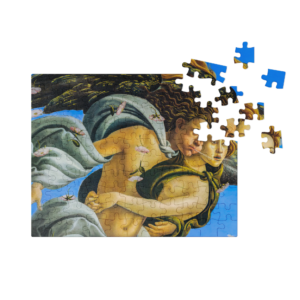
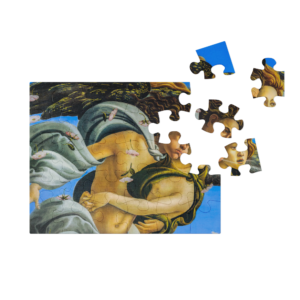
Zephyrs zoom view optimized crop