

Table of Contents
Overview
A quiet morning unfolds in Frukosten (Breakfast) by Amalia Lindegren. A young child sits on the wooden floor, cradling a small bowl of porridge, her gaze lifted in gentle curiosity. Light touches her soft hair and bare shoulder, illuminating a moment of simplicity and warmth.
Painted in 1866, this tender scene captures the purity of everyday life — the innocence of childhood, the comfort of home, and the beauty of unspoken calm. Lindegren’s art invites us to pause and feel the stillness between gestures, to see dignity and grace in the ordinary.
Frukosten is not merely a portrait of a child eating breakfast; it is a quiet hymn to contentment, painted with affection and light.
Frukosten (Breakfast): Amalia Lindegren, 1866
A Genre Painting of Childhood Simplicity
In Frukosten (Breakfast), painted in 1866, Swedish artist Amalia Lindegren turns our gaze toward a moment of quiet delight—a child’s breakfast, tenderly lit and gently observed. Lindegren, known for her empathetic portrayals of children and domestic life, captures here the charm of ordinary beginnings, where innocence and stillness hold the viewer in their soft embrace.
The Scene Before Us
A young girl sits barefoot on a wooden floor, cradling a bowl of porridge in her lap. Her blouse has slipped slightly from her shoulder, not in neglect but in the casual ease of comfort. She looks directly at us—not startled, not shy, but aware. There’s warmth in her expression, a secret calm as if breakfast were not just a meal, but a ritual of quiet joy.
To her side, a small toy cart and tangled ribbon suggest play was paused. A modest table beside her holds a cloth, a spoon, and a doll tucked among folds of fabric. This world is small, but complete. And in it, nothing is missing.
The Deeper Meaning
There’s a grace in how Lindegren treats the child—not as a symbol or ideal, but as a being in her own moment. The painting doesn’t try to dramatize poverty or elevate simplicity into sentiment. Instead, it honors the humble truth of everyday life. The bare floor, the clay bowl, the loose strands of hair—all are part of a rhythm that feels familiar and timeless.
What glows is not the light, but the feeling of presence. We do not interrupt the child; we are simply invited to witness her as she is. That is Lindegren’s gift—to let a scene speak gently and truly.
A Moment Caught in Time
In the mid-19th century, genre paintings like this one reminded viewers that beauty lived not only in grandeur, but in daily rituals: a meal, a glance, a pause between play. Frukosten is not a painting about childhood; it is a painting that is childhood—curious, still, slightly mischievous, and deeply sincere.
The girl may finish her breakfast, rise, and return to her toy. But this moment remains, warm as morning light on worn wooden planks.
Artist
Amalia Lindegren (1814–1891) was one of Sweden’s pioneering women painters and a central figure of the Stockholm School of Realism. Trained at the Royal Swedish Academy of Fine Arts, she was among its first female students and later became one of its most admired artists.
Lindegren traveled widely — studying in Paris under Léon Cogniet and drawing inspiration from French and German genre painters. Her works balance emotional sincerity with technical finesse, combining the tenderness of Pierre-Édouard Frère with the northern restraint of Scandinavian realism.
She often portrayed children and families in humble interiors, emphasizing empathy, moral dignity, and the quiet virtues of domestic life. Frukosten remains one of her most beloved compositions, cherished for its simplicity and sincerity.
The Story
A little girl, perhaps five or six years old, sits cross-legged on a wooden floor. She wears a loose blouse that has slipped from her shoulder and a blue skirt gathered at the waist. In her lap, she holds a small bowl and spoon, pausing mid-bite as she looks toward the viewer with a soft, knowing smile.
Beside her is a tiny table holding a doll, a piece of fabric, and a toy tea set — remnants of play mingling with morning routine. To her right, a toy wagon lies overturned, its ribbon trailing across the floorboards.
The setting is simple — a plain wall, gentle light, and few possessions — yet the atmosphere glows with warmth. The child’s calm gaze bridges the world of innocence and awareness. She is at ease, yet thoughtful — a portrait of peace itself.
Artistic Context
By the mid-19th century, Swedish art was moving away from grand Romantic landscapes toward domestic realism. Artists like Amalia Lindegren, August Malmström, and Carl Larsson brought the warmth of home life and rural simplicity into focus.
Lindegren’s Frukosten reflects this shift perfectly. Rather than painting moral allegories or heroic themes, she portrayed tenderness — the sanctity of small moments. The influence of French genre painting is evident, yet the Scandinavian light and humility make it distinct.
Through her brush, everyday life becomes lyrical: the Nordic quietness, the calm textures of wood and fabric, the sense of inner stillness. This was realism not as critique, but as love.
Composition and Subject Matters
Lindegren composes the painting with graceful economy. The young girl sits in the foreground, framed by the low table and open space around her. This open composition draws the viewer’s eye directly to her face — the emotional center of the scene.
The color palette is warm but subdued: honey-toned wood, soft blue, cream, and flesh tones, all unified by diffused light. The background remains plain, enhancing the subject’s presence.
Objects are few but meaningful — the doll, the bowl, the spoon — creating a balance between play and nourishment, imagination and daily care. Every item tells part of a larger story: a child’s world both real and dreamed.
Style and Technique
Lindegren’s style combines the precision of academic realism with the sensitivity of natural light. Her brushwork is delicate, blending tones seamlessly to create lifelike softness.
The light source, likely from a window to the left, is handled with mastery — diffused, gentle, and full of warmth. It caresses the skin, softens the edges of the fabric, and leaves shadows that feel tender rather than heavy.
Unlike the grand chiaroscuro of Baroque or Romantic art, Lindegren’s illumination is intimate — a domestic sunlight that feels familiar, as if drawn from memory.
Her technique reveals affection as much as skill: a realism that breathes, rather than impresses.
Symbolism and Meaning
Frukosten is more than a study of a child; it’s a meditation on contentment and purity.
- The bowl and spoon symbolize sustenance — both physical and emotional.
- The doll and toy tea set evoke imagination, the merging of play and care.
- The child’s expression — poised between curiosity and peace — represents innocence aware of its own small world.
The painting invites viewers to rediscover simplicity, to remember that happiness often resides in stillness and familiarity. In this sense, Frukosten is both a portrait and a philosophy of life.
Frukosten: Eyes That Hold the Morning
Morning light, soft as breath,
touches curls and quiet eyes.
A spoon pauses — the world slows.
No grandeur, no noise — only warmth.
In her gaze, peace finds a face,
and the day begins in silence.
More About Artist
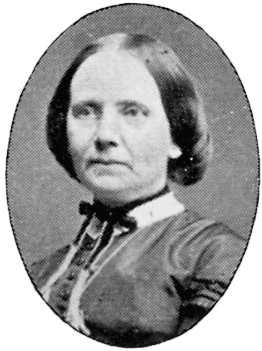
Amalia Euphrosyne Lindegren (May 22, 1814 – December 27, 1891) was a celebrated Swedish painter known for her nuanced genre scenes and portraits. Born in Stockholm, she faced early tragedy losing her mother at a young age and was raised by the wife of her alleged biological father. Lindegren was one of the first women admitted to the Royal Swedish Academy of Arts (1856), and traveled extensively for her studies, including important periods in Paris, Munich, and Rome.
Artist Style and Movement
Lindegren is associated with the Düsseldorf school of painting, known for its detailed, narrative style and sentimental themes. Influenced by masters such as Adolph Tidemand, Hans Gude, and Per Nordenberg, her work often portrayed the everyday life and folk culture of Sweden, especially scenes from the Dalarna region. Her paintings frequently depict children and melancholic domestic moments, reflecting personal themes related to her childhood and Swedish peasant life with sensitivity and realism.
Artwork Profile / Notable Works
- Frukosten (Breakfast): This genre painting captures an intimate domestic scene featuring family members engaged around the table. It is celebrated for its warm portrayal of everyday life and fine attention to detail, embodying Lindegren’s talent for capturing quiet moments and human emotion.
- The Final Rest of The Little One (Lillans sista bädd): A poignant and well-known work showing a grieving family beside a child’s deathbed, exhibited internationally in Paris, Philadelphia, and Chicago.
- Sad Little Girls and Peasant Women: Numerous paintings inspired by Swedish folk life and the rural environment of Dalarna, often portraying the emotional depth of childhood and labor.
- Portraits of Queen Louise of the Netherlands and Contemporary Figures: Lindegren gained recognition for her compelling and accurate portraiture, becoming one of Sweden’s leading portrait painters.
Amalia Lindegren’s work resonates for its intimate exploration of Swedish life, childhood innocence, and emotional depth, achieved through meticulous technique and heartfelt storytelling. Her pioneering role as a female artist in the 19th century and her contributions to genre painting have left a lasting legacy in Swedish art history, reflecting both personal experience and broader social themes of her time.