

Table of Contents
Innovative formats for modern minds, from classic prints to interactive digital experiences
Spot the Difference puzzles have delighted people for generations — from newspaper funnies and children’s activity books to digital brain game apps. But as audiences diversify and expectations evolve, so too must the way these puzzles are delivered.
Whether you’re creating puzzles for classrooms, seniors, families, or mobile users, the format can be just as important as the content. A puzzle that’s too hard to see, difficult to hold, or inaccessible on a device might miss its mark — even if the image and differences are perfect.
In this guide, we explore the most effective and creative ways to deliver Spot the Difference puzzles today — from timeless print methods to modern digital platforms and innovative hybrids that blend the best of both worlds.
1. Traditional Print Formats (Still Going Strong)
a. Classic Activity Books
The most familiar and widely loved format remains the printed puzzle book. For kids, seniors, and screen-weary adults, physical books offer a comforting, tactile experience.
Why they work:
- No screens or devices required
- Easy to use at home, in classrooms, or during travel
- Durable and visually clear if printed with quality
Best practices:
- Use lay-flat binding so the pages stay open
- Choose thick, non-glossy paper to reduce glare
- Ensure high-contrast images for better visibility
Print books are especially popular with families, educators, and older adults who prefer screen-free mental stimulation.
b. Puzzle Calendars & Posters
Imagine flipping your calendar to a new month — and finding a new puzzle. Spot the Difference calendars combine functionality and fun, offering a slow, steady way to enjoy visual puzzles all year long.
Posters, on the other hand, can serve as decorative, interactive art — great for waiting rooms, classrooms, or family areas.
c. Greeting Cards & Bookmarks
Deliver a smile and a challenge with puzzle-themed greeting cards and bookmarks. These small-scale puzzles are perfect for:
- Birthday surprises
- Classroom rewards
- Memory care activities
- Fundraising and promotional materials
They’re quick, unexpected, and engaging — ideal for sparking joy.
2. Digital Formats
In today’s world, digital accessibility is no longer optional — it’s essential. And Spot the Difference puzzles have adapted beautifully.
a. Interactive Spot the Difference Puzzles Flipbooks (Our Specialty)
At Classic Art Puzzles, we deliver interactive flipbooks that offer the charm of traditional books with the flexibility of digital access.
These puzzle books:
- Turn pages like real books
- Include tools to mark differences directly on the screen
- Feature “show solution” options
- Allow zooming for detailed inspection
- Work on any browser — no app needed
This format strikes the perfect balance for:
- Seniors who struggle with apps
- Teachers using smartboards
- Travelers using tablets
- Families sharing devices
b. Puzzle Apps
From casual gaming to educational platforms, mobile apps offer spot the difference puzzles with:
- Touch interaction
- Sound effects
- Hints, timers, and difficulty levels
- Leaderboards or multiplayer features
Downsides: Many are ad-heavy, subscription-based, or lack quality control in design.
Still, puzzle apps appeal to mobile-first audiences — particularly teens and young adults.
c. Printable Downloads
For parents, therapists, and teachers, printable puzzles are gold. They’re:
- Affordable
- Easy to scale for ability levels
- Instantly accessible
- Customizable
Many online platforms now sell printable spot the difference sets in themed bundles. These are especially helpful for special education, remote learning, or classroom stations.
3. Screen-Free Tactile Formats
Sometimes, the most effective delivery method is one that doesn’t involve a book or screen.
a. Magnet Boards & Felt Sets
Ideal for preschool and special education settings, magnetic or felt-based puzzles let children physically interact with the images:
- Move shapes
- Rearrange differences
- Explore textures
This encourages motor coordination and sensory learning alongside visual comparison.
b. Card Decks or Puzzle Packs
Decks of puzzle cards are compact, reusable, and fun. Each card can contain:
- A mini puzzle
- One or two differences to spot
- A story prompt or conversation starter
They’re excellent for quick breaks, travel, or therapy sessions.
4. Hybrid & Interactive Formats
The real innovation lies in combining formats to get the best of both print and digital.
a. QR Code-Linked Puzzles
A printed book or postcard can include a QR code that links to:
- The digital version of the puzzle
- A narrated story or solution
- Audio hints or instructions
This gives users the power to switch formats with ease.
b. Augmented Reality (AR) Spot the Difference Puzzles
Emerging AR technology allows puzzles to “come to life” when viewed through a smartphone or tablet.
Imagine pointing your camera at a painting — and seeing small elements shift or blink to reveal differences. This is a promising format for:
- Museums
- Advertising
- Youth engagement
c. Projection-Based Puzzles
In classrooms and therapy centers, projected puzzles allow entire groups to work together on a big screen:
- Perfect for IWB (interactive whiteboard) learning
- Encourages verbal sharing and social learning
- Useful for teaching visual scanning techniques
This is especially effective for younger children and collaborative learners.
5. Themed Spot the Difference Puzzles Experiences
Pairing Spot the Difference with specific occasions or topics keeps the format fresh and meaningful.
a. Holiday Editions
Puzzles themed around:
- Christmas
- Halloween
- Back to school
- Earth Day
… offer built-in relevance for classrooms and family fun.
b. Story-Based Puzzle Books
A growing trend involves sequential puzzles tied together by a storyline. Children solve a puzzle on each page to follow a character’s journey or unlock the next scene.
This boosts both motivation and comprehension.
c. Art & History Editions
One of our specialties — using classic paintings and historical scenes — allows players to engage with art, memory, and storytelling.
The Milkmaid, The Swing, and The Calling of Saint Matthew become more than images — they’re puzzles waiting to be explored, shared, and remembered.
6. Accessibility and Adaptability of Spot the Difference Puzzles
To make Spot the Difference truly inclusive, delivery formats must serve a wide range of needs.
Features to consider:
- Large print editions for low vision
- High-contrast modes for better clarity
- Speech narration for non-readers
- Tablet-friendly versions for mobility-impaired users
- Tactile puzzles for sensory play
- Cognitive staging (e.g., early vs. late-stage dementia)
At Classic Art Puzzles, we’ve designed our puzzles with accessibility in mind — so that everyone can enjoy the timeless art of finding what’s different.
7. Future Trends in Spot the Difference Puzzle Delivery
Looking ahead, we anticipate even more creative puzzle formats, such as:
- AI-generated puzzles based on user preferences
- Collaborative puzzle-solving games across devices
- Smartbook integration with custom difficulty settings
- Mixed-media puzzle kits for home and classroom use
Spot the Difference is no longer just a static page — it’s an interactive, adaptable tool that can be delivered in countless ways.
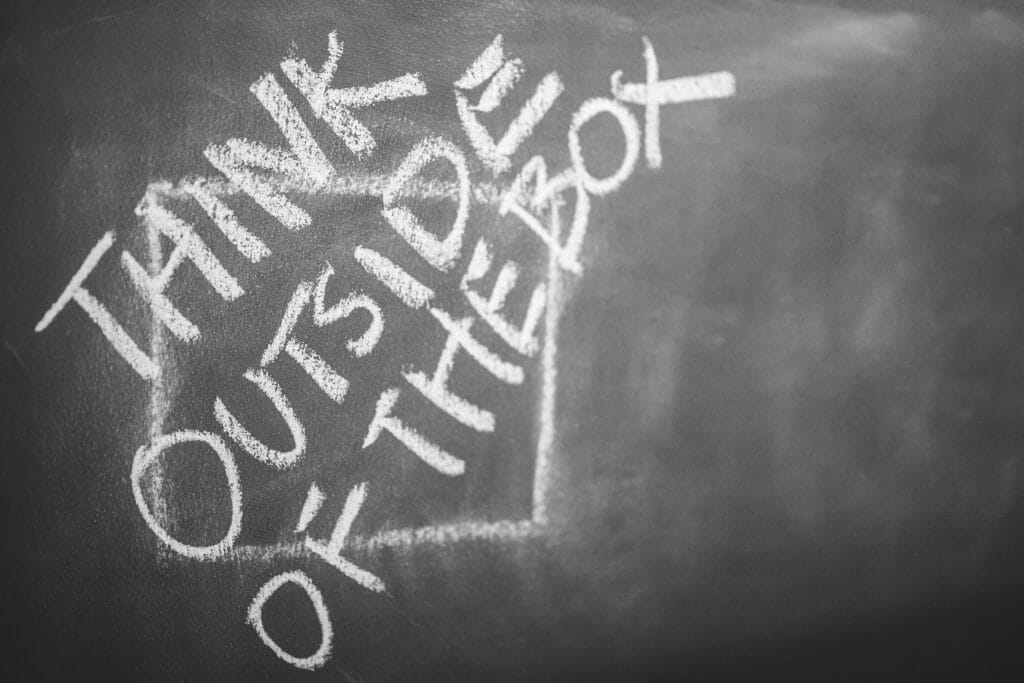
Final Thoughts: The Puzzle Is Only as Good as the Format
Spot the Difference puzzles are timeless, but the way we deliver them must evolve with the times.
By choosing the right format — whether it’s a print book for Grandma, a digital flipbook for a teacher, or an AR puzzle for a curious teen — you ensure that every user feels welcome, engaged, and inspired to take a closer look.
At Classic Art Puzzles, we continue to explore and expand our delivery formats. Because in the end, it’s not just about finding the differences — it’s about delivering delight.