
Table of Contents
Introduction
Reading and playing have changed. With fewer people buying printed books, the question is no longer paper or digital — it’s what kind of digital? For puzzle lovers, art enthusiasts, and casual readers alike, two major formats stand out: flipbooks and ebooks.
While both offer digital access to books, they create very different experiences. In this article, we’ll break down how each format works, where each shines, and why flipbooks are emerging as the best choice for interactive, visual experiences like spot the difference puzzles.
What Is a Flipbook?
A flipbook is a digital publication that looks and feels like a real book or magazine. You flip through pages on your screen, just like with a physical book. But unlike ebooks, flipbooks are usually accessed through a browser and can include interactive features such as:
- Animated page-turning
- Zoom and pan controls
- Built-in navigation
- Clickable links
- Embedded videos or audio
- Annotation and hint tools (perfect for puzzles)
Flipbooks are most often made from PDF files and converted into an HTML5 format, which works on nearly any internet-connected device without needing a special app or download.
What Is an Ebook?
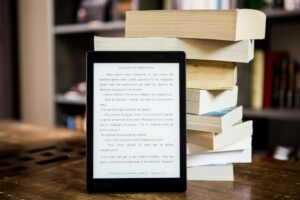
An ebook is a digital version of a book that you download and read using an app or device. Common ebook formats include EPUB, MOBI, and PDF. Most ebooks are designed for text-first reading and work well for:
- Novels
- Instruction manuals
- How-to guides
With ebooks, you can usually:
- Adjust font size and background color
- Highlight text or bookmark pages
- Read offline
But ebooks are generally less interactive. They don’t support multimedia, animations, or gameplay features. Most offer a linear, scrolling or page-turning reading experience.
| Feature | Flipbook | Ebook |
|---|---|---|
| Format | Interactive, browser-based | Downloadable file for reading apps |
| Setup | No app needed | Requires ebook reader or app |
| Interactivity | High (animations, links, audio) | Low (mostly text-focused) |
| Visuals | Rich and image-focused | Basic layout, often reflowable text |
| Ideal Use | Art, puzzles, magazines, catalogs | Novels, long-form reading |
| Offline Access | Sometimes via app | Fully offline once downloaded |
| Customization | Depends on creator | Font and screen settings adjustable |
Understanding the Technology Behind Each Format
The magic behind the user experience of flipbooks and ebooks lies in their underlying technology. While they both present content on a screen, the way they’re built dictates their strengths and limitations. Ebooks are built on a foundation of text-first formats, while flipbooks leverage a more dynamic, web-based architecture.
Ebooks: A Text-First Foundation
Ebooks primarily use formats like EPUB and MOBI. These are essentially packaged files containing a collection of HTML, CSS, and image files. The key characteristic of these formats is their focus on reflowable text. This means the text and images can adjust and “reflow” to fit any screen size, whether it’s a small smartphone or a large tablet. This makes them perfect for reading novels or textbooks. However, this reflowability comes at a cost: it’s not ideal for highly visual content or fixed layouts, and interactive features are often limited to basic hyperlinks or embedded videos.
Flipbooks: The Power of Web Technology
Flipbooks, on the other hand, are built using modern web technologies like HTML5, CSS3, and JavaScript. They’re not a single downloadable file but rather a digital publication that lives on the web. This allows them to mimic the look and feel of a physical book, complete with animated page-turns and a fixed, high-resolution layout. Because they’re browser-based, they can easily incorporate sophisticated interactive elements like zoom tools, annotations, and animated puzzles—all without the need for a dedicated app. This makes them a more powerful and versatile choice for visual content.
Why Flipbooks Work Better for Visual Puzzle Content
At Classic Art Puzzles, we chose the flipbook format for a reason: it’s built for interactive, visual experiences. Spot-the-difference puzzles, in particular, require:
- High-resolution images
- Zoom capabilities to inspect details
- Annotation tools to mark differences
- Audio or visual hints to assist players
None of these features are supported natively in ebook readers. A Kindle or tablet might handle a static image fine, but it can’t provide the same level of clarity, immersion, or engagement that a web-based flipbook can.
Flipbooks also preserve artistic integrity. The paintings and scenes we use remain perfectly composed and unaltered by device formatting or text flow. You see the artwork as intended — no compression, no cropping, no reflow.
Accessibility and Ease of Use
Flipbooks are incredibly easy to access:
- Just click a link or log in to your account
- No apps or downloads required
- Works on any device with a browser
For seniors and families, this simplicity is key. There are no compatibility issues or extra steps. You can open a puzzle on your laptop, tablet, or phone and start playing immediately.
By contrast, ebooks may require:
- Downloading a reader app
- Syncing files between devices
- Navigating confusing formats (EPUB vs. MOBI)
These steps may be minor to some, but they add friction — especially when you want to share puzzles with others or play on the go.
Offline Use: One Area Where Ebooks Still Shine
If you’re in a location without internet, an ebook has the advantage. Once downloaded, you can read it anytime, anywhere.
That said, spot-the-difference puzzles are usually played in a relaxed setting — at home, in a café, or while traveling with Wi-Fi. The need for constant offline access is less urgent than with long-form reading.
For Puzzle Lovers, Flipbooks Win
Ebooks are fantastic for immersive, text-heavy reading. But if you’re looking for puzzle books, especially those with visual complexity, flipbooks offer:
- A better interface for image-based gameplay
- Interactive features that enhance focus and enjoyment
- No download barriers, just instant play
And unlike printed puzzle books, digital flipbooks never fade, bend, or get lost. They’re lightweight, accessible, and built for ongoing use and updates.
A Look at the Future: The Evolution of Digital Puzzles
The world of digital publishing is constantly evolving, and the line between a traditional book and an interactive experience is becoming increasingly blurred. The rise of new technologies and the growing demand for engaging, multi-sensory content suggest that the future of digital puzzles will be more immersive than ever. We may see the integration of augmented reality (AR) where puzzles come to life on the screen, or even virtual reality (VR) experiences that place the user inside the puzzle itself. The trend is moving away from passive consumption and toward active participation, ensuring that the digital puzzle format remains as dynamic and captivating as the puzzles themselves.
Tips for Creators: How to Choose the Right Format for Your Puzzle
As a creator, selecting the right format is a crucial decision that will impact your audience’s experience. To make an informed choice between a flipbook and an ebook, consider the following questions:
- What is the core of your puzzle? Is it primarily text-based, like a crossword or sudoku, or is it highly visual, such as a “find the hidden object” or a maze?
- How important is interactivity? Do you want your readers to simply view the puzzle, or do you want them to be able to manipulate elements, zoom in on details, or use annotation tools?
- What is your target audience’s technical comfort level? Are they comfortable downloading apps, or would they prefer the ease of a browser-based, no-download experience?
By carefully assessing these factors, you can determine whether an ebook’s simplicity or a flipbook’s dynamic capabilities will best serve your content and delight your readers.
Examples: Seeing the Formats in Action
To truly understand the difference between these two formats, it helps to look at a few examples.
- Flipbook Example: You can experience a puzzle-based flipbook firsthand with one of our own creations, such as our publication for Neoclassisim Spot the Difference Puzzles above.
Notice how the page-turning animation mimics a physical book, and how you can easily zoom in on details to find hidden objects. The experience is contained entirely within your browser, with no downloads or apps required. - Ebook Example: A classic example of a puzzle ebook is a downloadable PDF or an EPUB file. A good example is the Twentieth Century Standard Puzzle Book from Project Gutenberg, which you can download in various formats, including EPUB and Kindle. While these formats are excellent for traditional, text-based puzzles like word ladders or riddles, they lack the visual interactivity and fluid page-turning of a flipbook. You are typically limited to a static layout, requiring you to use a separate app to view the file.
You Don’t Like Either? You Still Have Print and Apps
If flipbooks and ebooks aren’t your cup of tea, you’re in good company. Many puzzle lovers still prefer the classic feel of a physical book or the convenience of a dedicated app. The good news is, there’s no single “right” way to enjoy a puzzle. The best format is the one that fits your lifestyle and preferences.
- Print Puzzle Books offer a familiar, screen-free experience. They’re perfect for family time, travel, or for anyone who enjoys the simple pleasure of holding a book and using a pencil.
- Puzzle Apps are a fantastic choice for on-the-go solving. They often feature gamified elements, such as timers and leaderboards, which are perfect for a quick mental workout.
The choice of a puzzle format is a personal one. To help you decide what’s right for you, we’ve created a comprehensive guide to help you choose the best format for your puzzling needs.
Final Thoughts
Flipbooks and ebooks both serve important roles in the digital reading world. But for certain types of content — like interactive art puzzles — flipbooks are the more honest, powerful, and engaging format.
They don’t just display puzzles — they bring them to life.
If you’re ready to explore puzzle books that don’t require printing, shipping, or downloading, try a flipbook. All you need is a screen, your eyes, and a few moments of focus.
Happy puzzling!