

Table of Contents
Overview
In Suspense (1894), Charles Burton Barber captures a moment of tender devotion. A little girl kneels in her bed, hands folded in prayer before breakfast, while her loyal dog and a small kitten sit beside her — eyes fixed longingly on the untouched food.
Golden morning light fills the room, softening every surface: the ruffled bedspread, the egg in its cup, the gleam of porcelain. Barber turns this domestic scene into a quiet drama of innocence and temptation — faith, patience, and curiosity meeting in a single heartbeat.
It is at once humorous and touching: a child praying, her pets waiting, all three bound by a shared pause before pleasure. In that pause lies the painting’s magic — the beauty of waiting, the purity of attention.
Charles Burton Barber, 1894 – A Genre Painting of Patience and Prayer
Artist
Charles Burton Barber (1845–1894) was a British painter celebrated for his sensitive portraits of children and animals. Born in Great Yarmouth and trained at the Royal Academy Schools in London, Barber rose to fame for his technically masterful and emotionally tender domestic scenes.
He became a favorite of Queen Victoria and later King Edward VII, painting their children and pets with unmatched delicacy. Barber’s art blended Victorian realism with warmth and humor, often portraying the gentle relationship between children and their beloved animals.
Although he passed away at just forty-nine, his paintings — Suspense, Trust, and A Special Pleader — remain timeless symbols of affection, grace, and moral innocence.
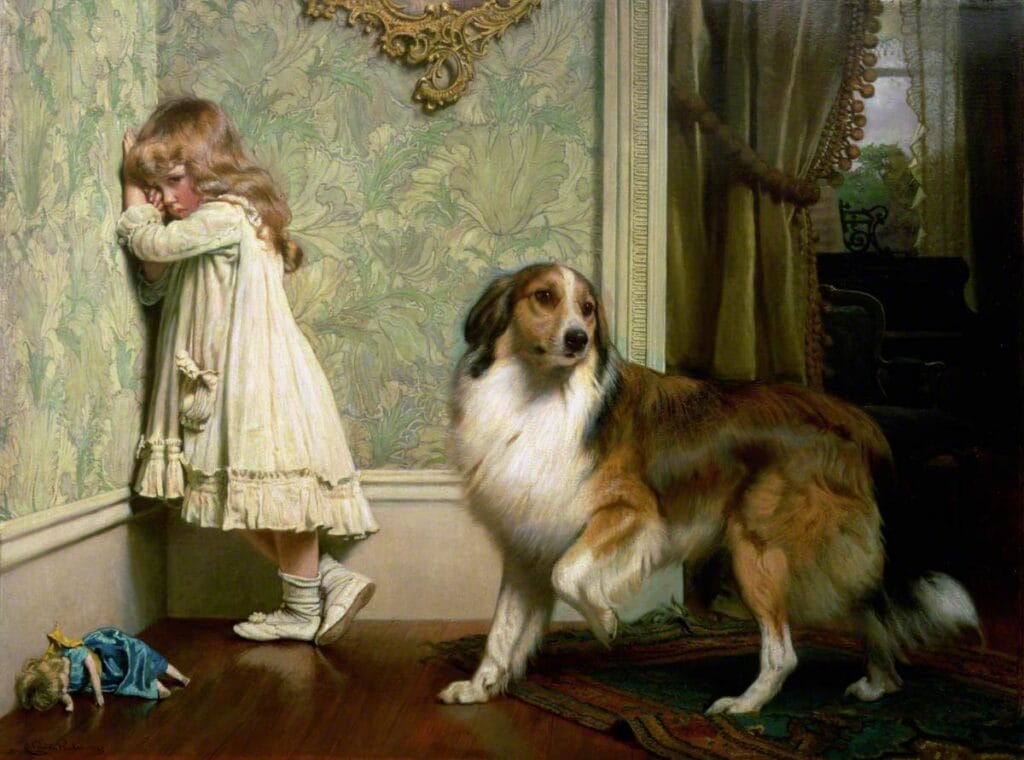
The Story Within the Scene
Morning has just begun. The young girl, still in her white nightgown, kneels upright on her bed before a tray of breakfast: an egg, toast, and a cup of tea. Her small hands are clasped in prayer, her eyes soft and devout.
Beside her sits a kitten, fur fluffed and alert, while at the foot of the bed a small dog leans forward eagerly, his gaze fixed on the meal. The animals’ posture mirrors the girl’s reverence, turning their shared anticipation into a gentle comedy.
Behind them, yellow curtains glow with sunlight, filling the scene with warmth. Yet despite the humor, Barber paints the moment with reverence. The child’s faith feels genuine; her devotion, undisturbed. The dog waits faithfully — suspended between discipline and desire.
Artistic Context
Suspense belongs to the late-Victorian golden age of sentimental genre painting, when artists like Barber, Arthur Elsley, and Frederick Morgan captured domestic virtue, innocence, and the moral ideals of family life.
Barber’s genius lay in uniting the technical finesse of academic realism with storytelling charm. His art reflected Victorian values — kindness, patience, and loyalty — yet always through scenes that felt intimate rather than idealized.
In Suspense, the theme is moral as much as visual: devotion before indulgence, innocence before appetite. It’s a moral lesson wrapped in beauty and light — the Victorian heart expressed through quiet domestic theater.
Composition and Subject Matters
Barber composes the scene as a soft triangle of figures — the girl at its apex, the animals forming its base. This balanced arrangement draws the viewer’s eye gently from the child’s clasped hands to the dog’s watchful gaze and the kitten’s stillness.
The use of white and yellow tones enhances warmth and serenity, while touches of color — a red flower on the tray, the golden crust of toast — give the composition liveliness without clutter.
Every object serves the story:
- The breakfast tray symbolizes discipline and domestic care.
- The kitten and dog represent innocence and loyalty.
- The child’s prayer embodies the spiritual center of home life.
The entire scene glows with intimacy, yet Barber’s humor keeps it human — a moral tableau softened by affection.
Style and Technique
Barber’s painting style combines academic precision with luminous softness. His brushwork is nearly invisible, achieving an almost photographic realism, yet the light diffuses gently across textures and fur.
He uses warm yellows and creamy whites to evoke the freshness of morning. The folds of fabric and ruffled bed curtains shimmer with reflected light, demonstrating his command of tonal harmony.
The detail in the animals is exquisite — the glossy fur of the dog, the kitten’s delicate stripes, their attentive expressions rendered with empathy. Barber’s technique reveals not just what is seen, but what is felt — tenderness, calm, and moral grace.
Symbolism and Meaning
Beneath its charm, Suspense carries the moral clarity characteristic of Victorian domestic art.
- The praying child represents innocence, devotion, and gratitude — the moral foundation of family life.
- The dog and kitten, patiently waiting, symbolize loyalty and self-control.
- The untouched food signifies temptation held in check — the discipline of faith and kindness.
Yet the symbolism never overwhelms the humanity. Barber’s genius lies in transforming moral virtue into a scene of relatable warmth. The painting celebrates the harmony between human and animal affection, between faith and instinct — the goodness found in small acts of patience.
Suspense – A Prayer, A Pause, A Plea
Morning light rests on folded hands.
Two creatures wait, breath held in hope.
An egg, a prayer, a promise unspoken —
the sweetness of patience before delight.
Barber paints what love looks like
when it chooses to wait.
More About Artist
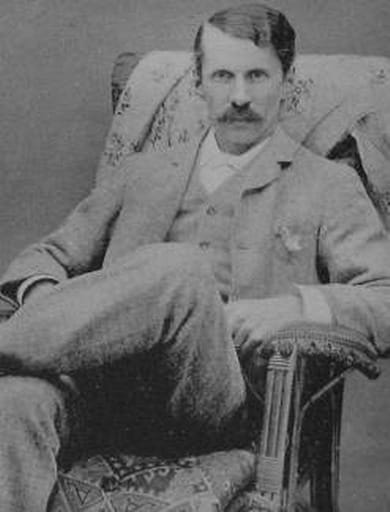
Charles Burton Barber (1845–1894) was a British painter renowned for his genre paintings focusing on children and their pets, especially dogs and cats. Born in Great Yarmouth, Norfolk, Barber studied at the Royal Academy Schools in London, winning prizes early in his career. He exhibited frequently at the Royal Academy from 1866 to 1893. Barber gained significant patronage during his lifetime, notably from Queen Victoria, who commissioned many portraits of her grandchildren with their pets.
Artist Style and Movement
Barber’s artistic style centers on sentimental and naturalistic portrayals of intimate domestic scenes featuring children and pets, capturing emotional bonds with realism but also a characteristic warmth and charm. His work ranged from highly detailed realistic portraits to freer genre scenes, often imbued with a narrative or psychological depth. Barber succeeded Sir Edwin Landseer as Queen Victoria’s favorite painter of animals and was celebrated for his ability to endow animals with expressive, almost human-like qualities.
Artwork Profile / Notable Works
- Suspense: This well-known painting depicts a young girl saying grace at her breakfast table while her cat and Jack Russell terrier gaze intently at the feast before them. The scene perfectly illustrates Barber’s talent for combining children, animals, and domestic interiors to evoke warmth and anticipation. This painting was used by soap manufacturers Pears and Lever Brothers in advertising.
- Caught by Surprise: Another popular work showing a child’s playful reaction to an unexpected moment, accompanied by a pet dog sharing the surprise.
- Off to School: A tender scene featuring children preparing for school with their faithful dogs, emphasizing innocence and routine in childhood.
- Queen Victoria’s Grandchildren with their Pets: Commissioned works depicting the royal family, highlighting Barber’s role as a favored royal artist.
Charles Burton Barber’s genre paintings remain celebrated for their affectionate and skillful depictions of children and pets, blending sentimentality with artistic finesse. His works enjoyed immense popularity in Victorian England and continue to be admired for their narrative charm and technical excellence. Barber’s legacy endures as one of the foremost painters capturing the special bond between children and their animal companions in the 19th century.